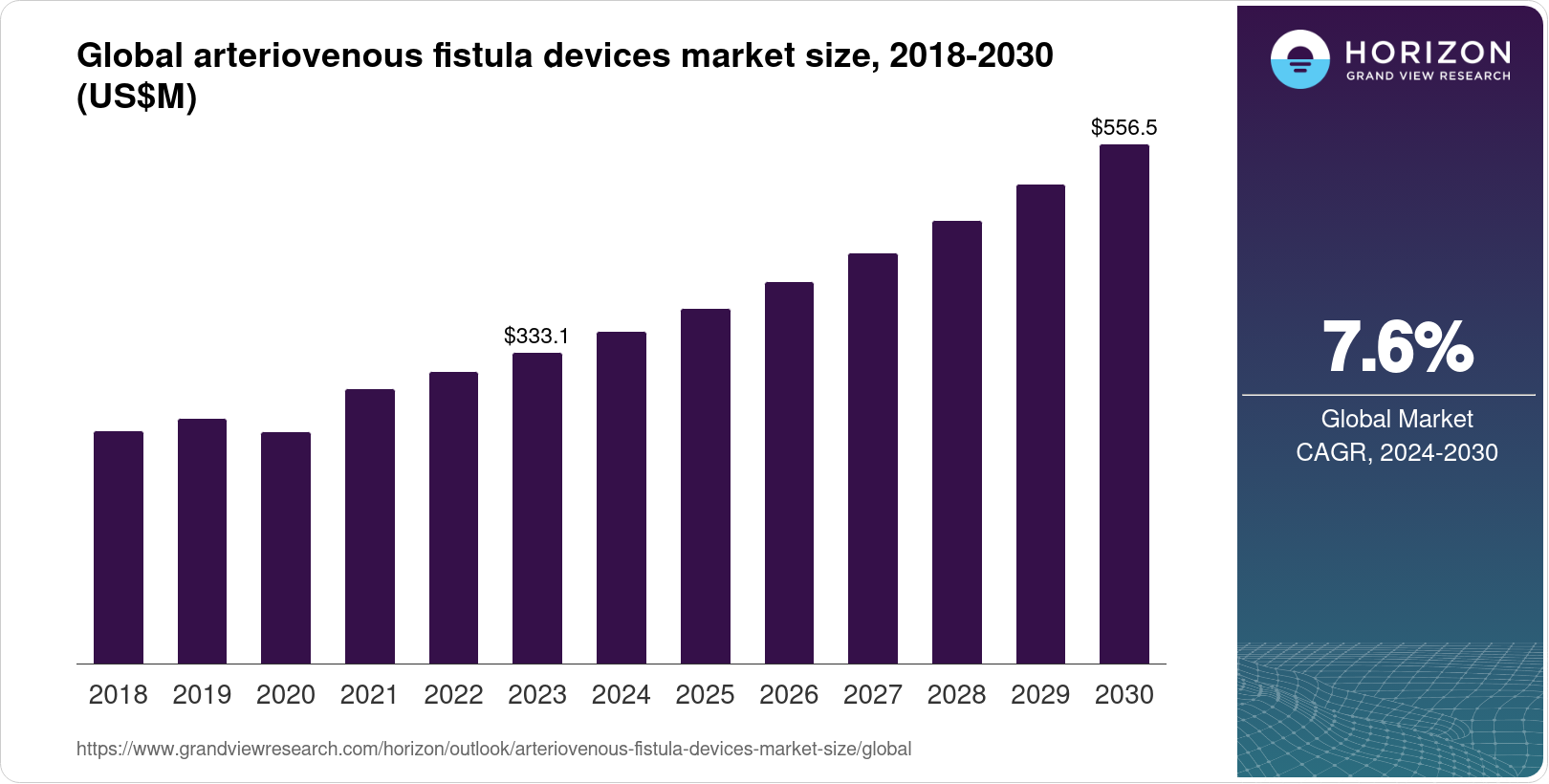
Global Growth in Arteriovenous Fistula Treatment: A Transformational Opportunity
The healthcare landscape is experiencing significant shifts in how vascular access is achieved for hemodialysis patients. Over the next decade, the arteriovenous fistula (AVF) treatment market is predicted to witness a remarkable expansion as emerging innovations, patient safety advances, and regional differences converge to create a fertile ground for growth. In today’s editorial, we take a closer look at the evolving field of AVF treatment, examining technological breakthroughs, regional market dynamics, and the future of dialysis care in an ever-changing global environment.
Embracing Ultrasound-Guided and AI-Assisted AVF Creation
One of the most promising trends within the AVF treatment arena is the adoption of ultrasound-guided and AI-assisted procedures. Healthcare professionals are increasingly relying on non-invasive and minimally invasive techniques to improve precisely how vascular access is created and maintained. By incorporating ultrasound imaging, clinicians can get into the fine points of vein mapping, ensuring that the procedure is performed with exceptional accuracy.
AI-integrated imaging systems now offer real-time guidance, which helps physicians figure a path through the inherently tricky parts of the procedure, minimizing common issues, such as accidental punctures or misplacement. The importance of harnessing these emerging technologies cannot be overstated—they are key to lowering complications like stenosis and thrombosis, while offering a safer alternative to traditional methods.
Advances in Robotic-Assisted Surgeries
Robotic-assisted surgeries have begun to play a super important role in AVF creation for dialysis access. These systems allow surgeons to work through complicated pieces of the procedure with unprecedented precision. Robotic devices, often integrated with advanced imaging solutions, make it possible to reduce human error and ensure better procedural outcomes. For example, by using robotic arms, surgeons can achieve fine control that human hands might struggle to match, especially when operating in spaces loaded with issues and nerve-racking challenges.
The infusion of robotics into these procedures has garnered attention for its potential to streamline the clinical experience, thereby paving the way for safer and more effective patient outcomes. This marks a major shift in the approach to vascular surgery and underscores the need for continuous investment in technological research and development.
Bioengineered Grafts and Regenerative Medicine: A New Era in AVF Treatment
Another exciting development in the AVF treatment market is the integration of bioengineered vascular grafts and regenerative medicine strategies. With the rise in end-stage renal disease (ESRD) around the world, especially in aging populations and those with conditions like diabetes and hypertension, the demand for durable and reliable vascular access solutions has never been greater.
Recent breakthroughs in biocompatible materials have resulted in the creation of grafts that closely mimic natural vascular tissue. These grafts not only extend the functional lifespan of AVF procedures but also minimize cases of infection compared to older treatment modalities. In addition, drug-eluting balloons and other drug-coated devices are now used to prevent the reoccurrence of stenosis by slowly releasing medication to keep the vessel walls open.
By combining regenerative medicine techniques with advanced biomaterials, researchers and clinicians are paving the way for safer, more efficient, and long-lasting solutions in vascular access. These improvements highlight the importance of innovation and underscore the potential for these therapies to rescue patients from the overwhelming challenges posed by long-term dialysis access.
Key Challenges and Opportunities in AVF Treatment
While the expansion of the AVF treatment market is promising, it is also filled with twists and turns that require careful consideration. The rapid pace of technological adaptation in the field can sometimes result in confusing bits or tangled issues that distract even the most experienced professionals. Nevertheless, understanding these challenges is essential for any healthcare institution or policymaker looking to increase the adoption of state-of-the-art procedures.
Below is a bullet list that outlines some of the key challenges and potential initiatives aimed at overcoming them:
- Patient-specific anatomical variations: These can be tricky parts since vascular anatomy differs significantly between individuals, requiring tailored approaches to each procedure.
- Cost and affordability: Advanced technologies like robotic-assisted systems and AI integration come with high upfront costs that may limit availability, especially in rural or resource-constrained settings.
- Operator training and expertise: There is a need to invest in training programs to help doctors and technicians get around the hidden complexities of new devices and techniques.
- Regulatory hurdles: Navigating through various national and regional regulations can be nerve-racking, making it important to have clear pathways for approval and adoption of innovative treatments.
- Integration into existing infrastructure: Healthcare systems must adapt to incorporate new technologies seamlessly into their current workflows, avoiding any disruptions to patient care.
Despite these challenges, each hurdle presents an opportunity for the industry to enhance its commitment to patient safety, improve outcomes, and ultimately create a more resilient and adaptable healthcare ecosystem.
Regional Market Dynamics: Insights from the United States, Germany, China, India, and Brazil
The potential for AVF treatment growth is not uniform across the globe; it is shaped by several local factors ranging from government policies to the availability of advanced medical infrastructure. Below is an overview of how five key regions are adapting to these changes:
United States: A Steady, Innovation-Driven Environment
In the United States, the AVF treatment market is advancing steadily. Factors such as favorable reimbursement policies and a robust system for clinical research are driving the adoption of advanced AVF techniques. With an increasing prevalence of ESRD, particularly among older adults and those with chronic health conditions, the U.S. system is continually working through the challenging parts of implementing cutting-edge technology. The growing use of drug-eluting grafts and robotic-assisted procedures is a testament to the nation’s commitment to improving how vascular access is established and maintained.
Germany: Technologically Advanced and Patient-Focused
Germany’s AVF treatment landscape is characterized by its strong healthcare infrastructure and meticulous research initiatives. The country has seen a steady growth rate, supported by government backing and comprehensive insurance coverage that makes advanced procedures accessible to its citizens. Emphasis on early diagnosis and the use of minimally invasive techniques has allowed Germany to routinely manage the fine details during AVF creation, ensuring safer outcomes for patients. This methodical approach to healthcare underscores the super important role of early detection and intervention in maintaining patient quality of life.
China: Rapid Expansion Through Technological Integration
China is emerging as a powerhouse in the AVF treatment market. The region’s rapid urbanization, combined with significant government reforms in health insurance and substantial investments in healthcare infrastructure, is creating an environment ripe for innovation. With a rising diabetic and ESRD population, China is prioritizing the integration of AI-enabled devices, drug-coated grafts, and robotic interventions. By doing so, the nation is not only tackling complicated pieces of vascular access but also setting new benchmarks in treatment precision and patient care.
India: Fast-Track Growth Amidst Challenges
India’s AVF market is among the fastest growing in the world. With government initiatives like Ayushman Bharat aiming to improve dialysis access at a national level, and a surge in private nephrology centers, the country is well equipped to take on the nerve-racking challenge of expanding vascular access services. However, while urban centers are rapidly adopting advanced treatments, rural areas still face issues of affordability and access. It is essential for stakeholders to work together to bridge these regional gaps by investing in training, infrastructure, and public health awareness.
Brazil: Overcoming Healthcare Disparities with Collaboration
In Brazil, the increasing number of ESRD cases is driving the demand for improved AVF procedures. Government involvement, as well as partnerships between local and international players, is helping to democratize access to advanced medical technologies. Despite facing certain limitations in healthcare access, Brazil is steadily moving towards broader implementation of bioengineered grafts and robotic-assisted techniques. These advancements enable providers to better handle the tricky parts of vascular access, ensuring that even the most vulnerable patients receive safe and effective care.
Technological Breakthroughs: Pushing the Boundaries of Precision and Safety
Innovative technologies continue to reshape the AVF treatment field, transforming procedures that were once off-putting into ones that are far less intimidating. The integration of AI-based imaging, minimally invasive procedures, and robotic assistance are paving the way for more predictable, efficient, and patient-friendly interventions. With these advancements, the healthcare industry is setting a new gold standard for vascular access that promises not only improved clinical outcomes but also enhanced patient satisfaction.
Several components contribute to this transformative era:
- Drug-eluting balloons: These devices gradually release medication to prevent vessel narrowing and ensure lasting patency.
- Bioengineered vascular grafts: Advanced materials that replicate natural vessel behavior contribute to long-term success by minimizing infection rates and complications.
- Minimally invasive interventions: Techniques such as endovascular AVF creation minimize recovery times and reduce procedural risks.
- AI-enhanced imaging systems: Real-time imaging allows surgeons to get into the subtle parts of the procedure, enabling immediate adjustments and increased safety.
Together, these advancements are not only making it easier for clinicians to work through the confusing bits of traditional procedures but also building a platform that emphasizes safety and precision across the board.
Collaborative Efforts and Future Trends in Vascular Access
The pathway forward in AVF treatment is riddled with both challenges and opportunities. Recognizing that no single approach can tackle every problematic component, major medical device companies, biotech firms, and research institutions are joining forces to promote continuous improvements. Collaboration is key in addressing the little details that, in isolation, may seem trivial but collectively make a huge difference in treatment success.
Some of the most notable collaborative efforts include:
| Stakeholder | Focus Area | Contributions |
|---|---|---|
| Medical Device Manufacturers | Innovation in devices and materials | Developing bioengineered grafts, advanced imaging, and robotics |
| Biotech Firms | Drug delivery and biocompatible materials | Creating drug-eluting balloons and improving graft durability |
| Healthcare Providers | Clinical adoption and patient care | Implementing new techniques and upgrading training programs |
| Research Institutions | R&D and clinical trials | Offering real-world data and fostering innovation through studies |
| Regulatory Bodies | Approval and guideline creation | Ensuring patient safety while facilitating technological adoption |
These synergistic efforts are critical in steering healthcare systems through the risky turns and trying bits of transitioning from traditional AVF treatments to next-generation vascular access solutions.
Patient-Centered Care in the Age of Technological Innovation
The future of AVF treatment is deeply intertwined with a shift toward more patient-centered care. As we take a closer look at the changing landscape, the emphasis is increasingly placed on tailoring approaches to meet individual patient needs—a strategy that not only improves outcomes but also builds trust and fosters better long-term relationships.
Many patients who have experienced the overwhelming challenges of recurrent AVF complications now stand to benefit from technologies that promise safer and longer-lasting results. By integrating the latest advancements in imaging, robotics, and regenerative medicine, healthcare providers are finding innovative ways to manage patient care that goes beyond the traditional approach.
This focus on the patient is evident in several key strategies:
- Personalized treatment planning: Clinicians are crafting individualized plans based on the unique vascular structure and specific health conditions of each patient.
- Enhanced monitoring: The use of AI and remote monitoring tools ensures that patients receive immediate attention if complications arise, allowing medical staff to address issues before they become severe.
- Minimally invasive options: With an aim to reduce recovery time and discomfort, wearable and portable devices are making it easier for patients to manage the after-effects of the procedure.
- Patient education: Healthcare providers are investing in educational programs that empower patients to understand the procedure and take an active role in their care.
In an era where the fine shades of individual variance can determine clinical outcomes, these patient-centered approaches are proving to be essential for sustainable growth and success in the AVF treatment market.
Regulatory Perspectives and Reimbursement Challenges
While innovation paves the way for advanced AVF treatments, the regulatory environment is an equally important piece of the puzzle. The path to integrating new technologies is often filled with nerve-racking regulatory reviews and off-putting administrative hurdles. However, clear guidelines and favorable reimbursement policies can significantly speed up the adoption of these technologies.
Regulatory bodies play a critical role by establishing protocols that ensure both safety and efficacy. This is important because healthcare providers and companies must figure a path through the overlapping requirements imposed by different regional agencies. The following points illustrate how regulatory frameworks can foster innovation:
- Simplified approval processes: Streamlined procedures help in getting new therapies to patients faster.
- Robust clinical trial frameworks: These ensure that promising innovations are well-tested before being widely implemented.
- Favorable reimbursement policies: When insurance coverage supports new technologies, financial barriers are reduced, encouraging more widespread clinical adoption.
- Collaborative feedback loops: Ongoing dialogue between regulators, providers, and industry experts ensures that guidelines evolve alongside technological progress.
By taking the wheel and working through these regulatory and reimbursement issues, stakeholders can create an environment that not only rewards innovation but also protects patient safety across diverse clinical settings.
What the Future Holds for the AVF Treatment Market
Looking ahead, the AVF treatment market appears poised for transformative growth. Electrical with advanced imaging, robotics, and improved graft materials, the future of vascular access will likely be shaped by patient-centered innovations and collaborative industry efforts. As a result, patients facing the overwhelming twist and turns of chronic kidney disease will benefit from safer, more accessible, and long-lasting treatment options.
Experts predict that the market will continue to expand due to:
- Increased global incidence of end-stage renal disease.
- Widespread adoption of minimally invasive and technologically advanced methods.
- Vigorous investment in research and development, particularly in regenerative medicine.
- A proactive focus on personalized care and patient education.
- Favorable government policies and improved reimbursement frameworks.
It is clear that as healthcare institutions and medical device companies figure a path through the challenging bits of rapid technological change, the focus must remain on balancing innovation with patient care. The continued success of AVF treatments will thus lie in the ability to integrate technology seamlessly while ensuring that every patient receives individualized, quality care.
Transforming the Landscape: Industry Collaboration and Market Competition
Market competition in the AVF space is heating up as leading players from around the world actively engage in collaborative research, technological innovation, and clinical trials. These joint endeavors not only enable companies to work through the subtle parts of advanced vascular access solutions but also foster an ecosystem rooted in transparency and continuous improvement.
Some of the key industry participants who are making headlines include:
- Becton Dickinson & Company
- Medtronic
- B. Braun Melsungen AG
- Cook Medical
- Teleflex Incorporated
- Fresenius Medical Care AG & Co. KGaA
- NxStage Medical Inc.
- Poly Medicure Limited
- Shire plc
- Mayo Clinic
- Proteon Therapeutics
These organizations, alongside countless emerging innovators, are investing heavily in research and development throughout the globe. Their combined efforts are designed to ensure that every twist and turn in a patient’s treatment journey is addressed with precision and care. By fostering a competitive yet collaborative market environment, the industry is better positioned to embrace the coming challenges and tap into new opportunities that will drive future growth.
Concluding Reflections on the Future of Vascular Access Care
This opinion editorial underscores an exciting era for the AVF treatment market—a time when technological breakthroughs and patient-centric approaches are converging to redefine hemodialysis access care. As innovations such as robot-assisted surgical techniques, AI-enhanced imaging, and regenerative medicine continue to gain momentum, the capacity to work through the tricky parts of the procedure is greatly improving.
While there remains a set of daunting, nerve-racking challenges related to cost, training, and regulatory requirements, the industry’s persistent drive toward innovation is paving the way for a safer and more effective future. Medical institutions and device manufacturers alike are on a collaborative journey to transform not just the procedures themselves, but the entire patient experience. This shift to a more holistic, technologically advanced model of care promises to alleviate the heavy burden on patients facing chronic conditions like ESRD.
Moreover, the regional differences in market dynamics—from the steady innovation in the United States to the rapid expansion seen in China and India—showcase that while challenges may be full of problems in some areas, they also present immense opportunities for growth and learning. Open conversations between public health experts, policymakers, and industry leaders will be key in ensuring that the emerging technologies can be fully supported and integrated into everyday clinical practice.
In conclusion, we stand on the brink of a new era in vascular access care—one characterized by precise intervention, minimally invasive approaches, and a whole new commitment to patient well-being. The evolution of AVF treatments promises not only to address the tangled issues associated with traditional methods but also to usher in a future where technological sophistication and compassionate care go hand in hand.
Final Thoughts: Embracing Innovation While Staying Grounded in Patient Care
The path forward for the global AVF treatment market is one of both promise and responsibility. As practical advances continue to reshape the landscape of hemodialysis access, it is crucial for all stakeholders—clinicians, researchers, policymakers, and industry leaders—to stay focused on the super important goal of improving patient outcomes. Investing in new technology must be balanced with efforts to address the overwhelming challenges faced by those who need vascular access the most.
We are at a pivotal moment. The short- and long-term future of AVF treatment depends on our ability to figure a path through the confusing bits of regulation and technological integration. In doing so, we must remind ourselves that every innovation is ultimately in service of bettering patient lives—turning what was once intimidating into approachable, effective, and safe treatment options.
By continuing to collaborate and innovate, and by focusing on addressing the little details that make a significant difference in outcomes, the healthcare community can truly transform the AVF treatment landscape. In this spirit of progress and patient-centered care, the next decade promises to be an exciting journey marked by groundbreaking advancements, improved practices, and most importantly, enhanced quality of life for individuals reliant on effective hemodialysis access.
For all those invested in the future of healthcare, the unfolding narrative of AVF treatment serves as a reminder that with every new technological leap and improved procedural method, we are making strides toward a brighter, healthier tomorrow—one where the challenges of today give way to the innovations and successes of the future.
Originally Post From https://www.einpresswire.com/article/813174401/global-arteriovenous-fistula-treatment-market-poised-to-reach-usd-1-521-2-million-by-2035-fmi
Read more about this topic at
New Entrants & Payment Models Transforming the Kidney …
The Changing Landscape of Home Dialysis in the United …