Rethinking Catheter Dislodgement: An Opinion on Securement Innovations
The challenge of catheter dislodgement in clinical settings remains one of the trickiest parts of modern health care. In hospitals from emergency departments to intensive care units, mishaps involving the accidental removal or migration of a catheter are not just inconvenient—they can lead to pain, treatment interruptions, and even additional medical complications. As a professional in health care journalism with a deep understanding of modern medicine, alternative therapies, nutrition, and overall patient care, I believe it is essential to take a closer look at the current landscape of catheter securement solutions and the innovative approaches that are beginning to shape future protocols.
Traditionally, securing catheters has relied on conventional methods like sutures or simple adhesive tape. However, these methods often leave patients at risk for what many consider both nerve-racking and confusing bits of clinical management. In recent years, a wave of engineered anti-dislodgement devices and sensor-integrated systems have emerged, offering clinicians super important alternatives that promise to reduce complications while enhancing patient comfort and safety.
Understanding the Hidden Costs of Catheter Dislodgement
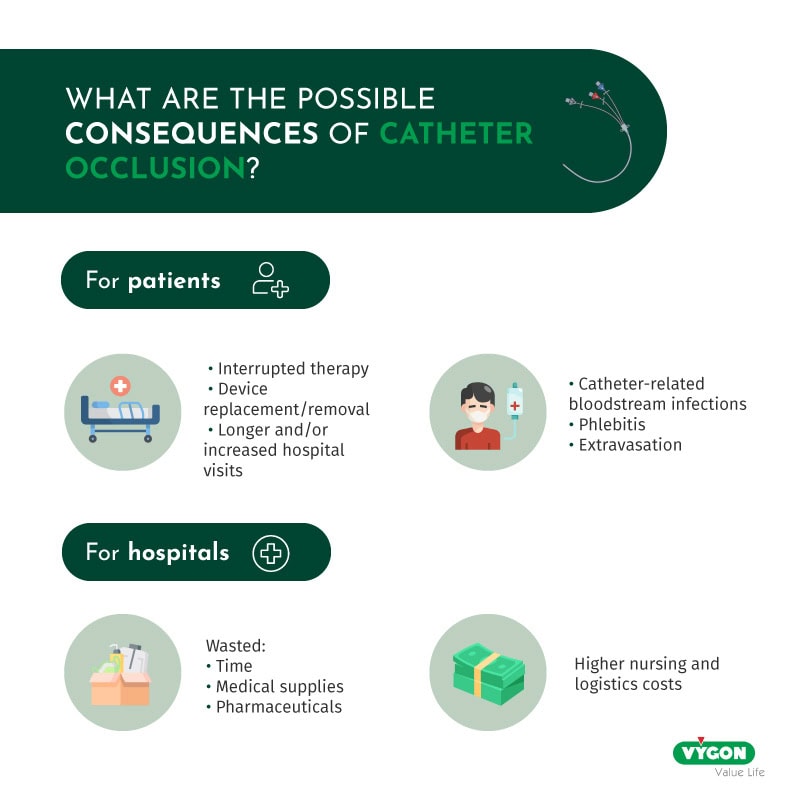
Catheter dislodgement is a problem loaded with issues. When a catheter – used for everything from liquid infusion to drainage – becomes prematurely removed or shifts away from its ideal location, patients endure not only physical discomfort but also additional invasive attempts to re-establish proper function. Such occurrences can delay treatments, increase infection risks, and lead to a cascade of further complications. This editorial digs into the not-so-visible economic and physical costs for both patients and health care systems.
Consider the following key impacts:
- Interruption of Treatment: Unplanned removal of a catheter during critical treatments such as chemotherapy, dialysis, or emergency fluid resuscitation can lead to delays that affect patient outcomes.
- Increased Infection Risk: Repeated insertion attempts and manipulation of the catheter site may contribute to local infections or even bloodstream infections, which are on edge in terms of overall health care costs.
- Additional Costs: Every failed catheter placement can add extra costs in terms of materials, nursing time, and even hospitalization expenses, making it a must-have concern for hospital administrators.
When we view the issue from a broader lens, it is clear that every accidental dislodgement not only impacts the immediate patient outcome but also translates into longer hospital stays and increased resource expenditure. With estimated billions lost annually due to repeated catheter placements, preventative strategies in securement can significantly alter the financial picture of patient care.
Examining the Current State of Securement Approaches
Over the past twenty years, the field of catheter securement has evolved considerably. No longer are clinicians restricted to basic tape and suture methods. Instead, various securement systems have emerged, each addressing the tricky parts and hidden complexities in its own way. It is worth taking a closer look at the main methods:
Adhesive-Based Stabilization Devices
Adhesive securement devices have shifted the paradigm by employing advanced polyurethane or silicone adhesives. These products often include a mechanical frame or clip to keep the catheter in place. Devices such as StatLock, CathGrip, and Grip-Lok utilize redirection mechanisms to divert tension and protect the catheter from pull-out forces. Compared to simple tape, these adhesive strategies offer a more stable connection while reducing dressing-related issues.
This method is particularly effective in reducing the small distinctions between minor physical abrasions and significant dislodgement incidents. Although these systems are generally well accepted by patients, the choice of adhesive type must carefully consider potential sensitivities or the risk of Medical Adhesive-Related Skin Injury (MARSI).
Subcutaneous Anchoring Systems
Subcutaneous anchoring, sometimes known as SASS, involves a slightly more invasive technique where the securement device deploys small anchors under the skin to secure the catheter. This method is especially favored for catheters intended to remain in place for long periods (typically 14 days or more). Studies have shown that securement devices such as SecurAcath can reduce dislodgement rates by nearly fivefold when compared to traditional adhesive methods.
While the increased reliability of these systems is a major advantage, the fine points include managing the additional pain during insertion and removal. With proper use of local anesthesia and refined techniques by experienced providers, these discomforts can be minimized. Ultimately, subcutaneous anchors represent a balance between durability and patient comfort, making them a critical tool in the hospital arsenal.
Tension-Activated Breakaway Connectors
The introduction of tension-activated or breakaway connectors marks another significant step forward. These devices are designed to separate from the catheter line when a certain pull force (around 3.25 pounds) is exceeded. This breakaway action protects the catheter from experiencing the full brunt of any accidental tug, thus preventing migration from its intended location.
Under normal circumstances, these devices ensure uninterrupted therapy, while in the face of distracting patient movements, they can safely disconnect and then be reconnected. This system is particularly useful in settings such as intensive care or care for patients with cognitive challenges, where restlessness may lead to frequent and often nerve-racking accidental tugs on the line.
Experimental and Hybrid Innovations
A host of experimental ideas are also in development. These include the use of cyanoacrylate tissue adhesives at the catheter-skin interface to seal the site and reduce micromotion; sensor-enhanced securement devices that can detect early signs of dislodgement; and even magnetic retention systems designed to offload tension while preserving catheter function. Although many of these innovations are still in the early phases of clinical testing, they demonstrate a promising future in which catheter securement becomes an active, rather than passive, field.
For clarity, the table below summarizes the various securement technologies available today and their key pros and cons:
| Securement Strategy | Advantages | Challenges |
|---|---|---|
| Adhesive Devices |
|
|
| Subcutaneous Anchors (SASS) |
|
|
| Breakaway Connectors |
|
|
| Experimental Innovations |
|
|
Innovative Sensor-Enhanced Systems: A Future of Proactive Protection
One of the most exciting avenues in the realm of catheter securement is the integration of smart sensor technologies. Not long ago, the idea of a catheter system that can monitor movement and tension in real time seemed like science fiction. Today, advances in micro-electromechanical systems (MEMS) have paved the way for devices that not only secure catheters but also provide continuous monitoring of patient activity.
Imagine a catheter securement device embedded with accelerometers, gyroscopes, and even e-textile sensors capable of measuring subtle shifts in pressure and tension. When a patient moves abruptly—say, due to confusion or during routine transfers—the device could detect this sudden change and alert clinical staff before the dislodgement becomes a full-blown problem. This proactive approach means that treatment interruptions can be minimized, and the guesswork of managing catheter security is greatly reduced.
By integrating these sensor-based systems, hospitals have the opportunity to shift from a reactive mindset—where complications are managed after they occur—to a proactive framework that anticipates and prevents issues. Although these innovative systems are still navigating the small twists of regulatory approval and clinical testing, they represent a significant step forward in making catheter securement more reliable and patient-friendly.
Patient-Centered Considerations: Getting Into the Nitty-Gritty of Comfort and Safety
If there is one aspect of this entire conversation that must not be forgotten, it is the patient experience. Effective securement systems are not only measured by their clinical effectiveness but also by how comfortably patients can wear them. The fine details of pain management, skin integrity, and ease of mobility are what ultimately determine a system’s success in everyday practice.
Managing Pain and Tolerability
Different securement devices offer varied levels of comfort. For example, adhesive-based systems generally cause minimal discomfort during application, whereas subcutaneous anchors can be more intimidating during insertion and removal. For many patients, a transient sting on application or discomfort during repositioning is a trade-off they are willing to accept if it means a lower risk of dislodgement. However, addressing these concerns requires that health care providers use local anesthetics when appropriate and follow proper removal techniques to minimize trauma.
Maintaining Skin Integrity
Skin integrity is a key concern, especially among vulnerable groups such as pediatric and geriatric patients. Medical Adhesive-Related Skin Injury (MARSI) is a real risk when repeated dressings and adhesives are used. To mitigate this, many modern securement devices now utilize silicone-based adhesives, which are gentler on the skin, or completely avoid surface adhesives in favor of subcutaneous securement methods. This careful balancing act—not only to secure but also to protect delicate skin—is essential in improving overall patient outcomes.
Enhancing Mobility and Reducing Anxiety
An equally important aspect is ensuring that securement devices do not hinder a patient’s ability to move freely or cause undue anxiety about their treatment. Devices that are bulky or restrictive can interfere with patient mobility, potentially leading to falls or additional complications. It is crucial for manufacturers and clinicians alike to ensure that securement solutions offer both stability and an unobtrusive design, enabling patients to feel secure without feeling physically restrained.
Regulatory and Contemporary Guidelines: Finding Your Path Through the Maze
As with any evolving technology in the health care field, regulatory guidance plays a super important role in shaping the adoption and implementation of new securement devices. Organizations such as the Centers for Disease Control and Prevention (CDC) and the Infusion Nurses Society (INS) have updated their guidelines to endorse innovative securement systems that reduce the chance of infection and mechanical complications.
The CDC’s recent recommendations, for example, stress the use of suture-free securement devices as a means to lower the risk of catheter-related infections. Meanwhile, the INS has outlined detailed standards that not only focus on the stabilization of vascular access devices but also emphasize ensuring skin integrity and appropriate securement practices for infants and elderly patients. These guidelines serve as both a roadmap and a check on the rapid pace of innovation in securement technology.
Furthermore, the U.S. Food and Drug Administration (FDA) is actively involved in reviewing and approving these advancements. Depending on their mechanism of action, securement devices are classified as either Class I or Class II medical devices, with more invasive systems undergoing rigorous 510(k) clearance. The inclusion of human factors engineering in the regulatory review process helps ensure that these devices are user-friendly and safe—not only for the patients but also for the clinical staff handling them daily.
Overcoming Implementation Barriers: Sorting Out the Practicalities
While the promise of new securement technologies is exciting, translation into everyday practice is not without its challenges. There are several tangled issues that hospitals must address when adopting these innovations:
- Budgetary Concerns: Once considered more expensive than traditional methods, innovative securement devices must show a clear return on investment. Evidence suggests that while upfront costs may be higher, long-term savings result from reduced complications and fewer repeat procedures.
- Usability and Staff Training: New technology sometimes comes with an intimidating learning curve. Rigorous usability testing in simulated clinical environments, comprehensive staff training, and clear user instructions are essential to ensuring perfect application and removal techniques.
- Integration Into Clinical Workflows: For any securement technology to be broadly accepted, it must be seamlessly integrated into existing practices without disrupting the daily routines of busy health care professionals.
Implementation science frameworks, such as the Consolidated Framework for Implementation Research (CFIR) and the RE-AIM framework, are proving to be very useful. These tools help identify where difficulties are likely to occur and provide strategies for managing those tricky parts of introducing new technology in health care settings. Ultimately, the goal is to move from ad-hoc trials to a standardized practice that maximizes benefit while minimizing disruption.
Looking Ahead: A Call to Action for Wiser Implementation
As we stand at this crossroads, it is crucial for clinicians, administrators, and policymakers to work together in order to embrace and implement better catheter securement strategies. With the advent of sensor-enhanced systems, improved adhesive devices, and subcutaneous anchoring methods, the potential for reducing catheter dislodgement is immense. However, the true impact of these advances will only be realized if they are integrated thoughtfully into clinical practice.
Addressing the dislodgement issue is not merely about reducing complications; it is also about enhancing patient safety, cutting unnecessary costs, and ultimately delivering better care across the board. Hospitals must begin to view these securement technologies not as optional add-ons, but as essential components of modern therapy. By taking the wheel and adopting these innovations, clinical teams can significantly lower the risks associated with catheter dislodgement.
Key Steps for Moving Forward
To facilitate this transition, stakeholders should consider the following:
- Invest in Training: Ensure that all clinical staff are well-versed in the application and removal of new securement devices. Organized workshops and simulation training can help ease the learning curve.
- Monitor Outcomes: Track complication rates, patient feedback, and overall cost savings associated with the use of advanced securement solutions. Data-driven evaluations will help in demonstrating the clear return on investment.
- Engage with Manufacturers: Encourage device manufacturers to incorporate clinician feedback into design improvements and usability enhancements. This cooperative approach can lead to devices that truly meet the needs of the end user.
- Align With Guidelines: Ensure that local and national guidelines are updated to reflect current best practices as supported by evidence from randomized controlled trials and observational studies.
- Promote Research and Innovation: Facilitate clinical trials that explore the cost-effectiveness and long-term benefits of these new devices. The more robust the evidence, the easier it will be to standardize their use nationwide.
Each of these steps plays a role in sorting out the complicated pieces associated with implementing new securement devices. In doing so, we not only improve patient outcomes but also contribute to a broader culture of safety and efficiency in medical care.
Final Thoughts: A New Era for Catheter Securement
In conclusion, catheter dislodgement remains a pervasive challenge in modern medicine—a challenge that is full of problems and small twists that affect both patient well-being and health care economics. The evolution from traditional tape and sutures to advanced adhesive systems, subcutaneous anchors, and breakaway connectors is not just a technological update; it is a critical shift towards a more proactive, patient-friendly approach.
As we poke around the current state of securement technologies, it becomes clear that the path forward lies in blending innovation with pragmatic implementation strategies. The integration of intelligent sensors, real-time monitoring, and improved device design can dramatically reduce the tricky parts associated with catheter securement. This, in turn, will lead to fewer complications, reduced infection rates, shorter hospital stays, and overall cost savings—a true win for both patients and health care systems alike.
As someone deeply involved in chronicling advances in health care, I urge the industry to steer through this evolving landscape with careful planning and a commitment to evidence-based practices. It is only by embracing these new securement technologies and integrating them seamlessly into clinical workflows that we can manage our way through the subtle details and overwhelming challenges of catheter dislodgement. The lessons we learn today could well define the standard of care for tomorrow.
Let this be a call to action: invest in training, engage in research, update policies, and most importantly, keep the patient’s comfort and safety at the core of these advancements. In doing so, we not only improve individual patient outcomes but also set the stage for a more resilient and efficient health care system. The future of catheter securement is not just about technology—it’s about transforming patient care into an empowered, informed, and proactive endeavor that meets the demands of modern medicine head-on.
While challenges remain and the journey ahead is full of nerve-racking and complicated pieces, the potential benefits are too significant to ignore. It is time for health care professionals to take a closer look at these innovations, figure a path through the maze, and embrace a future where catheter securement is as refined and reliable as the treatments it supports.
By balancing clinical efficacy with practical implementation and a keen eye on patient-specific needs, hospitals can ensure that every catheter stays securely in place, treatments proceed on schedule, and patients enjoy a smoother, safer journey through their health care experiences. The stakes are high, but the promise of a future with fewer dislodgements, better patient outcomes, and reduced economic burden is within our reach if we are willing to prioritize and implement these advanced securement systems.
In sum, it is clear that the next generation of catheter securement devices offers both a technological and a practical solution to one of health care’s longstanding challenges. With the engagement of clinicians, researchers, and regulatory bodies working together, the future indeed appears promising. Now is the time to take a closer look, embrace new ideas, and commit to a safer, more efficient, and more cost-effective approach to catheter management.
Originally Post From https://www.nature.com/articles/s44385-025-00049-3
Read more about this topic at
A comprehensive review of catheter dislodgement
Solving the problem of IV dislodgement