The Toll of Medicaid Cuts on Reproductive Health Services: An In-Depth Opinion
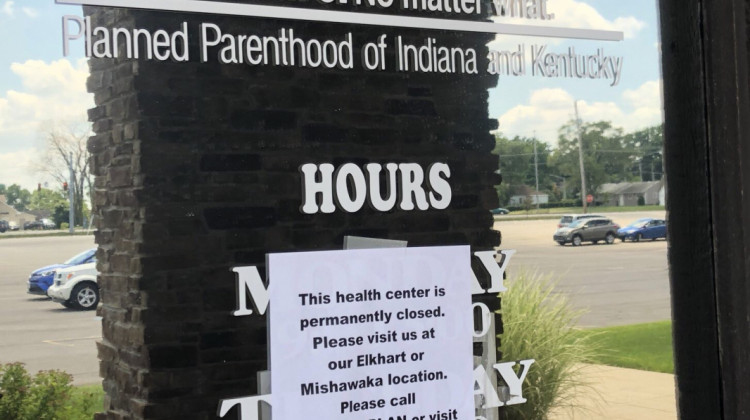
The recent decision to restrict Medicaid reimbursements to providers that offer abortion services has sparked a heated debate on the future of reproductive health clinics, especially for low-income patients. The closure of 20 Planned Parenthood clinics in recent months highlights a nerve-racking challenge that touches on tricky parts of healthcare funding, tangled issues in public policy, and the complicated pieces of ensuring accessible care for everyone.
As we take a closer look at this situation, it is essential to recognize that these closures result from a government decision made under President Trump’s administration—a decision that has had far-reaching consequences. The Medicaid ban, parked within a sprawling legislative package, has affected the organization’s ability to bill for critical reproductive and primary care services, leaving both providers and patients to figure a path through a landscape now full of problems.
Understanding the Medicaid Funding Cuts and Their Impact
The Medicaid funding provision draws a significant red line between offering abortion services and other basic health care services such as birth control, prenatal care, and cervical cancer screenings. With the ban now in effect, clinics that once thrived on Medicaid reimbursements to support low-income patients have been forced to close their doors, at least temporarily, as they contend with a funding shortage that is both off-putting and overwhelming.
For months, Planned Parenthood has been navigating through these tangled issues, trying to balance the provision of essential health services with the demands of an ever-changing funding environment. The organization has released reports detailing the grim impact of the Medicaid cuts, indicating that the closures of these facilities are just the beginning of what could become a much larger problem for accessible and affordable health care.
Examining the Struggles Faced by Clinics and Their Patients
By shedding light on the effects of the funding cuts, it becomes clear that the repercussions extend far beyond mere budget adjustments. The clinics that remain open are now working through nerve-racking challenges. They are forced to make difficult decisions regarding resource allocation and how to maintain a high level of care on a shoestring budget. With low-income patients, especially those on Medicaid, already facing turbulent times, these clinic closures add another layer of tension to an already on-edge system.
Patients who depend on Planned Parenthood for free or low-cost reproductive services now face additional uncertainty. The lack of alternative providers in several areas means that the damage, as expressed by the organization’s leadership, will only grow if more clinics are forced to shutter. This state of affairs is especially intimidating for vulnerable communities who are most in need of continuous and reliable care.
State-Level Interventions and Community Responses
In response to the federal funding gap, several state lawmakers have stepped in to offer some relief. States such as California, Colorado, Massachusetts, New Jersey, New Mexico, New York, and Washington are striving to patch up the significant tear in funding with state budgets. These measures, though helpful, leave questions about whether short-term interventions can sustain long-term needs.
Below is a bullet list summarizing key points from state-level responses:
- State budgets stepping in to remunerate the financial shortfall caused by Medicaid restrictions.
- Temporary solutions aimed at sustaining clinic operations while broader legislative changes are sought.
- Efforts to ensure that basic health care services remain accessible to marginalized populations.
- Growing concerns among state legislators that the current approach might not be sustainable over time.
It is important to note that these interventions, while critical in bridging the gap, are only a temporary fix. The story of the clinics affected by the Medicaid ban is one that requires deeper structural changes in how health care funding is allocated at both state and federal levels.
The Broader Implications for Public Health
When we dig into the fine points of this issue, several important questions arise about the future of reproductive health services in the United States:
- How will these funding cuts affect long-term health outcomes, especially for low-income communities?
- What are the potential ripple effects on other basic health services as organizations struggle to balance their budgets?
- Can the system adapt quickly enough to prevent further closures and maintain essential healthcare access?
The loss of even a single clinic can have a significant impact on a community. Many patients rely on these facilities not only for reproductive health services but also for a wide range of preventive care. When clinics close due to funding shortfalls, the burden of care inevitably shifts to overburdened emergency rooms and other health services. This shift results in increased costs, delays in accessing care, and an overall decline in the quality of health services available to those who need them most.
Moreover, such changes come at a time when the nation grapples with myriad public health challenges. The loss of accessible reproductive health clinics poses a risky precedent, one that risks pushing an essential service into a gray area of limited accessibility. The worry is that if more facilities close, patients will be left with fewer options, further compounding the issues of healthcare inequality.
Understanding the Fine Points of the Funding Debate
At the heart of the controversy lies a fundamental question: Should funding for reproductive health services be restricted based on political ideology? Planned Parenthood and its allies argue that the restrictions are driven by political motivations aimed at undermining an organization that provides a wide array of health services, including abortions, which are legal in many states. Their opponents, however, view the funding cuts as a necessary measure to ensure that taxpayer money is not used to subsidize procedures they disagree with on moral or ethical grounds.
Below is a table outlining the key arguments from both sides:
| Supporters of Funding Cuts | Opponents of Funding Cuts |
|---|---|
|
|
Each side presents valid concerns in this charged discussion. What remains clear is that the current funding model is leaving many clinics—and the communities they serve—in a state of turmoil and uncertainty.
Diving Into the Financial Challenges Faced by Clinics
For organizations like Planned Parenthood, the Medicaid ban has resulted in a severe funding gap. Previously, millions of dollars from Medicaid reimbursements had enabled these clinics to offer free or low-cost services to over a million patients across the nation. With the ban in place, the organization has had to close clinics, which in turn affects the continuum of care available to patients who rely on them.
The financial shortfall throws up several off-putting challenges:
- Decreased funding for essential services that include birth control, prenatal care, cervical screenings, and more.
- Inability to maintain clinics in regions that rely heavily on Medicaid reimbursements.
- An increasing burden on the remaining open clinics, pushing their capacity to the limit.
- Potential long-term negative effects on overall public health if financial gaps are not addressed adequately.
When clinics are forced to close, the remaining facilities often see a surge in demand. This situation not only strains personnel and resources but also creates longer waiting times and reduced quality of care. For patients already riding the waves of medical costs and life challenges, these added burdens can be both intimidating and overwhelming.
The Effects on Women’s Health and Preventive Care
Preventive care is a crucial pillar of the healthcare system, particularly for women’s health. Routine services such as birth control consultations, STI screenings, and cervical cancer checks often serve as the first line of defense against more severe health conditions. The Medicaid funding cuts jeopardize these services just when they are most needed.
Here are a few thoughts on how the closures might ripple into wider public health concerns:
- Reduced Access to Preventive Services: With fewer clinics operating, many women may miss out on timely screenings and check-ups, potentially leading to late diagnoses of serious conditions.
- Increased Health Disparities: Low-income patients who count on these services may find themselves with limited or no options, thereby deepening health inequities.
- Economic Strain on Families: When preventive care is not readily accessible, health issues might become more severe and costly to treat later on, adding economic pressure on individuals and families.
The interconnection between economic challenges and health is undeniable. As patients struggle to find affordable clinics, the financial burden of untreated or late-treated conditions may worsen, creating a vicious cycle that harms both individual well-being and community health at large.
How Political Decisions Shape Healthcare Realities
The story of Medicaid cuts and subsequent clinic closures is not just about dollars and cents—it is also a reflection of how political decisions directly affect everyday lives. When legislators insert funding restrictions that target specific services, they set in motion a chain reaction that ultimately impacts both the providers and the patients who depend on them.
This political move is deeply intertwined with the broad discussions about the role of government in healthcare. Some argue that these cuts are necessary to ensure that taxpayer money is spent in alignment with the values held by a significant portion of the electorate. Others see them as an attempt to strip away essential services from communities that already struggle with access to health care.
For many, the current funding debate is full of small twists and subtle details that illustrate a larger, more troubling picture. While political argument is inevitable, it is important for policymakers to consider the long-term impact of their decisions on public health and the overall efficacy of the healthcare system.
Finding Your Path Through Policy Uncertainty
For patients, the real-world impact of these federal and state funding changes can be both nerve-racking and confusing. As many find themselves caught between shifts in policy and abrupt changes in service availability, there is an urgent need for a stable and predictable health care environment.
People using Medicaid services deserve clarity. The uncertainty around whether their trusted clinics will remain open is a concern that extends beyond political debates—it is a matter of ensuring that everyone has the right to accessible health care.
The situation calls for several key steps, including:
- Clear Communication: Healthcare providers and public officials need to get around the media landscape and clearly communicate any changes in service availability and funding adjustments to the public.
- Robust Support Systems: States and communities must work together to build more robust support systems, ensuring that essential health services remain available even when federal policies shift unexpectedly.
- Long-Term Policy Reforms: Rather than temporary fixes, a long-term strategy is needed. Such a strategy should include sustainable funding models that do not leave underserved communities in the lurch when faced with legislative changes.
By taking these steps, lawmakers and healthcare leaders can try to ease the current tensions and help patients steer through a period highly loaded with issues. In doing so, they must work through those tangled issues without compromising on the quality and availability of basic health services.
Exploring Alternatives: Moving Beyond the Current Crisis
While the Medicaid cuts remain at the center of this heated debate, it is useful to dig into alternative approaches that might safeguard patient care in a politically volatile environment. Some countries and regions have experimented with different models of health care funding that aim to provide a more balanced approach between federal oversight and local flexibility.
Considering alternative options could involve:
- Reevaluating Funding Criteria: Instead of linking funding to whether or not a provider offers abortion services, policymakers could consider a more holistic approach that supports all critical health services regardless of the specific procedures offered.
- Flexible State-Federal Partnerships: A more collaborative approach between state budgets and federal guidelines might offer a resilient safety net. This could be managed through dedicated programs that provide supplemental funding during periods of political upheaval.
- Community-Based Health Initiatives: Local communities, non-profit organizations, and philanthropic entities can join forces to create community-based health models that ensure basic services remain available regardless of broader policy shifts.
Such options, if implemented properly, could prevent the removal of essential services from areas that depend on them the most. By taking a broader look at the required elements for accessible health care, stakeholders can try to figure a path that mitigates the nerve-racking impacts caused by abrupt policy changes.
Assessing the Hidden Complexities in Policy and Practice
While the immediate focus remains on the closures and funding gaps, there are several little details that require more attention. The hidden complexities of healthcare policy are not immediately obvious to many patients. Yet, these details—such as the specific criteria used to determine Medicaid eligibility and the subsequent calculation of reimbursements—carry a tremendous amount of influence on operational decisions at clinics.
Here are some subtle parts of policy dynamics that are shaping the current crisis:
- Eligibility Conditions: The criteria that determine which clinics receive funding can be riddled with tension and often involve twists and turns that complicate straightforward funding allocations.
- Service Bundling: In many cases, reproductive services are bundled with other forms of basic health care. Splitting these services into “acceptable” versus “controversial” categories only furthers the confusion and nits away at the intact provision of care.
- Budgetary Flexibility: Decision-making at the state level may vary greatly depending on the local economic conditions and political climates. This disparity means that while one community might benefit from state intervention, another may suffer without similar support.
These fine points highlight that policy decisions are not made in a vacuum. Instead, they interact directly with the operational environment of health care providers. As patients try to figure a path through these changes, the hidden complexities of funding models serve as a reminder of the need for clear, effective, and comprehensive health care policies that consider all facets of patient needs.
Community Voices: Stories from the Front Lines
To truly appreciate the ramifications of the Medicaid cuts, one must listen to the community voices who have been directly impacted by these shifts. In clinics where Planned Parenthood remains operational, there are countless accounts of individuals who have experienced anxiety over potential closures. For example, there are patients—like teenagers seeking their first birth control consultation—whose stories underline the urgency of maintaining accessible services.
Healthcare workers in these settings report feeling overwhelmed by the increased demand, as they try to provide care under increasingly strained conditions. Their experiences paint a picture of a system that is struggling to keep up with the changing funding landscape, leaving both patients and care providers in a state of uncertainty.
An example of this can be seen in community health clinics where:
- Patients face longer wait times due to higher patient-to-provider ratios.
- Medical staff must juggle the dual challenges of managing essential health services and addressing political pressures.
- Local communities feel the ripple effects, with some patients having to travel long distances to find alternative sources of care.
These stories remind us that behind every policy debate and funding statistic are real people, real families, and real communities whose health and well-being are at stake. Their narratives are a critical piece of the overall conversation about the need for a more adaptable and compassionate health care system.
Charting a Way Forward: Recommendations and Reflections
Given the current challenges, what are the practical steps that can be taken to ensure that low-income patients do not lose access to essential reproductive health services? The answer lies in a multi-pronged strategy that involves both immediate and long-term measures.
Policy makers, healthcare providers, and state leaders might consider the following recommendations:
- Immediate Funding Relief: Expanding state-led financial support to cover the immediate shortfall created by the Medicaid cuts can help stabilize the situation until a more permanent solution is enacted.
- Legislative Reassessment: There needs to be an honest conversation about the long-term impacts of tying Medicaid reimbursements to political or moral criteria. A reevaluation of these policies could pave the way toward models that prioritize patient care over ideological divides.
- Investment in Alternative Healthcare Models: Encouraging community-based initiatives and public-private partnerships could foster resilient healthcare systems that remain robust regardless of federal policy shifts.
- Enhanced Communication Channels: Providing clear and accessible information to patients about where they can turn for low-cost services is essential, particularly in areas where Planned Parenthood clinics might close permanently.
In parallel with these recommendations, it is important to acknowledge that longer-term reforms are necessary. Rebuilding trust, ensuring transparency, and supporting providers on the front lines will require collaboration between federal agencies, state governments, and community organizations.
These steps, while challenging, are crucial for addressing the tangled issues that currently threaten access to vital reproductive health services. By working together and making patient care a priority, we can hope to create a system that is as responsive as it is resilient.
Final Thoughts: A Call for Equitable Healthcare
In conclusion, the closures of Planned Parenthood clinics as a result of the Medicaid funding cuts are a clear sign that the health care system is under strain. The situation is not only a political or financial issue—it is a human issue, one that affects millions of individuals who depend on these services for their well-being.
This debate is loaded with problems and filled with nerve-racking moments for patients and providers alike. It forces us to take a closer look at our priorities as a society: ensuring that all individuals have access to affordable, high-quality health care, regardless of the shifting political winds.
As communities struggle to make their way through this period of uncertainty, it is essential that policymakers, healthcare providers, and the public work together to develop solutions that are as sustainable as they are compassionate. The road ahead is full of tricky parts and confusing bits, but with persistent effort and clear-eyed reform, it is possible to steer through these challenges.
This moment is a clarion call for more thoughtful and patient-centered health care policy. One that not only addresses immediate financial gaps but also lays the groundwork for a future in which access to essential care is never compromised by political or budgetary constraints.
For those who depend on Medicaid and the services provided by organizations like Planned Parenthood, the need for change is more than evident—it is a matter of life, health, and dignity. And in a society that prides itself on innovation and progress, adapting our healthcare policies to meet our community’s needs is not just key—it is absolutely essential.
As we look to the future, let us remember that every policy decision carries with it the weight of human lives and the promise of a healthier, more equitable society. By finding robust and creative ways to support essential health care services, we can ensure that access to care remains a right for everyone, regardless of the twists and turns of political life.
Now is the time for all stakeholders—government, community leaders, and health care professionals—to work through these challenges, to sort out the many subtle details, and to take the wheel in forging a path toward a more secure and inclusive health care system.
This is our opportunity to get into the nitty-gritty of health care reform, to poke around the underlying issues, and to build a future where every patient, regardless of their financial situation, can count on receiving the quality care they deserve.
The debate over Medicaid funding and reproductive health services is far from over, but one thing is clear: ensuring top-notch, affordable health care for all is a goal that must guide our political and social decisions in the years ahead.
In facing these challenges, it is our duty as a society to support reform that safeguards access to essential care, protects vulnerable populations, and ensures that health care is a basic right—not a privilege dictated by shifting politics or temporary funding gaps.
Only through a sustained, communal effort can we hope to navigate the tangled issues of healthcare funding and secure a future in which every citizen has the opportunity to live a healthy, fulfilling life.
As this critical discussion continues, let us remember that every dollar invested in care, every policy adjusted with compassion, and every clinic kept open is a step toward a brighter, healthier tomorrow for all.
Originally Post From https://www.washingtonpost.com/nation/2025/11/12/planned-parenthood-medicaid-health-care/
Read more about this topic at
How Might Federal Medicaid Cuts in the Enacted …
Medicaid cuts: What’s at stake