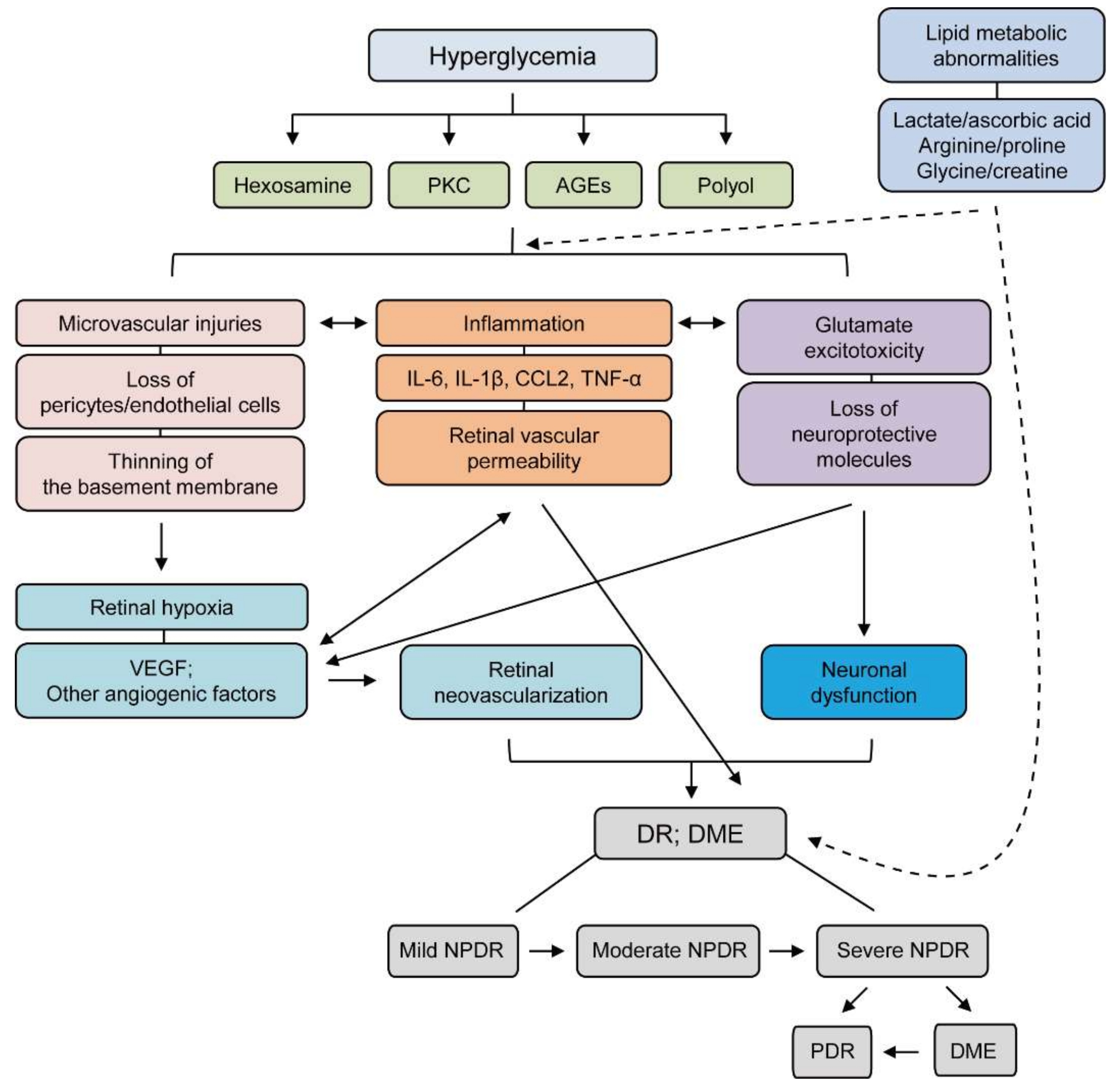
Combination Therapy in Diabetic Retinopathy: A Closer Look at Reducing Diabetic Macular Edema Risk
Recent clinical research has stirred conversations among healthcare professionals by highlighting that combining anti-VEGF therapy with panretinal photocoagulation (PRP) can significantly lower the risk of diabetic macular edema (DME) in patients with proliferative diabetic retinopathy (PDR). This opinion editorial offers an in-depth analysis of the study findings, discussing the potential benefits and challenges while using real-world data to support treatment decisions.
In today’s ever-evolving field of ophthalmology, clinicians are continually searching for treatment methods that can reduce complications and better protect patient vision. According to a recent retrospective study conducted at a leading Taiwanese hospital, patients receiving a combination of anti-vascular endothelial growth factor (anti-VEGF) treatments and standard PRP experienced a marked reduction in the incidence of DME, as compared to those treated with PRP alone. These findings suggest that this treatment pairing may help address some of the tricky parts and tangled issues of managing retinal complications in diabetic individuals.
Understanding Diabetic Retinopathy and Treatment Options
Diabetic retinopathy is a common yet challenging complication of diabetes that affects the tiny blood vessels in the retina. PDR, the advanced stage of the condition, poses a significant risk because reduced blood flow can lead to areas of retinal ischemia (lack of oxygen), triggering unwanted blood vessel growth and leakage. Traditionally, panretinal photocoagulation (PRP) has been the backbone of treatment for ischemic retinal conditions, but it is not without its complications. Some of the common side effects include choroidal effusions, exudative retinal detachments, visual field deficits, night vision defects, and even macular edema, each representing a confusing bit and complicated piece of the treatment puzzle.
Anti-VEGF Therapy: Reducing Leakage and Improving Visual Outcomes
Anti-VEGF injections, which work by neutralizing vascular endothelial growth factor, have shown great promise in treating retinal diseases. By reducing abnormal blood vessel growth and leakage, anti-VEGF therapies can help stabilize vision and improve ocular health. When used as a monotherapy, these injections have been noted for lowering DME rates, reducing leakage, and even contributing to preserving visual fields. Many experts now believe that anti-VEGF provides a more targeted approach to addressing the fine points of the vascular complications seen in diabetic retinopathy.
Combining PRP and Anti-VEGF: The Emerging Standard for PDR Management
The recent study compared two groups, one receiving only PRP and the other undergoing combination therapy with both PRP and anti-VEGF injections. The hypothesis was straightforward: could the addition of anti-VEGF therapy to standard PRP treatment reduce the risk of developing DME while also enhancing best-corrected visual acuity (BCVA)? Findings indicated that the combination group experienced a lower cumulative incidence of DME—about 8.1% at 12 months versus 31% in the PRP-only group. These results are revealing, offering hope in the face of the nerve-racking and overwhelming challenges that diabetic retinopathy presents.
Real-World Data and Its Role in Shaping Clinical Practices
Real-world data, collected outside the controlled environments of clinical trials, offers valuable insights into how treatments perform under everyday conditions. The study in question utilized patient data from Taiwan’s National Taiwan University Hospital and its Hsin-Chu Branch, providing a snapshot of treatment outcomes across diverse, clinically relevant situations. With patients tracked for over 12 months, the analysis highlighted several key points:
- Patients receiving combination therapy had superior BCVA improvements compared with those on PRP alone.
- The combination approach significantly reduced the risk of DME, a notably tricky part of managing PDR.
- Despite treatment, approximately 20% of patients experienced vitreous hemorrhage (VH) within one year, emphasizing the need for regular follow-up.
This real-world data is crucial because it not only reflects the idealized situations often documented in controlled trials but also touches on the typical, sometimes tangled, issues that arise in everyday clinical practice. Doctors must find their way through the less-than-perfect realities of patient adherence, varying baseline retinal thickness, and differing blood glucose controls.
Risk Factors and Patient-Specific Considerations
While the study showcased the benefits of combination therapy, it also underscored that certain patient characteristics can amplify the risk of developing DME. Among these, poorly controlled blood glucose levels and thicker baseline central retinal thickness (CRT) stand out. For healthcare professionals, identifying and addressing these factors can make the path to effective treatment more navigable.
Impact of Blood Glucose Control on Ocular Health
It is well known that systemic factors, such as blood glucose control, have a profound effect on the progression of diabetic retinopathy. Unmanaged diabetes contributes to the ongoing small twists and turns of retinal deterioration. When blood sugar levels are erratic, the inner workings of the retina become even more vulnerable to the damaging effects of ischemia and leakage. As a result, patients with higher hemoglobin A1c values or other indicators of poor control may experience more severe manifestations of DME—even when receiving aggressive treatments.
Baseline Central Retinal Thickness: A Marker of Disease Severity
Central retinal thickness (CRT) is an important metric that clinicians use to gauge the extent of retinal swelling and damage. In the study, patients with a thicker baseline CRT had a higher risk of developing DME. This finding reinforces the need to consider individual anatomical differences when planning treatment. By evaluating the nitty-gritty details of each patient’s retinal structure, clinicians can tailor interventions more effectively, ensuring that every patient receives a treatment plan that is both appropriate and potentially more effective.
Clinical and Practical Implications for Healthcare Providers
Given the findings, there are several key clinical implications that clinicians should keep in mind. In addition to reaping the benefits of the combination therapy, practitioners must remain vigilant about the additional challenges posed by diabetic retinopathy.
Regular Follow-Ups and Monitoring
One of the most critical takeaways from the study is that regular follow-up is non-negotiable. Although combination therapy reduces some of the risk associated with DME, approximately one-fifth of patients may still encounter vitreous hemorrhage within the first year. Regular monitoring allows healthcare providers to catch any adverse developments early, thereby mitigating the potential for further complications.
- Scheduled Examinations: Patients undergoing treatment should have scheduled eye examinations every few months, particularly within the first year of intervention.
- Imaging Studies: Utilizing techniques like optical coherence tomography (OCT) helps in tracking changes in CRT, allowing for prompt adjustments in treatment.
- Patient Education: Ensuring that patients understand the importance of follow-up can also improve adherence to care plans.
Adjusting Treatment Plans Based on Real-World Evidence
As real-world data continue to emerge, treatment guidelines for diabetic retinopathy are likely to evolve. The study’s results should motivate clinicians to remain flexible and proactive in their approach, tailoring therapies to suit the individual needs of their patients. In addition to standard PRP therapy, incorporating anti-VEGF injections as part of a combination treatment might be key to reducing complications such as DME and preserving vision better over time.
While no treatment is without its challenges, the reduction in DME risk and improvement in best-corrected visual acuity (BCVA) provide a strong argument in favor of combination therapy. Nevertheless, patient-specific factors such as glycemic control and baseline retinal thickness must always guide treatment strategies.
Treatment Protocols and Their Evolution
The traditional use of PRP in PDR management has been a cornerstone for decades. However, as newer therapies emerge and are evaluated in real-world settings, it is time to take a closer look at how these treatment protocols can evolve.
Standard PRP Protocols and Their Challenges
PRP involves using laser burns to reduce ischemia in the retina, effectively curbing the release of angiogenic factors that spur abnormal vessel growth. Despite its widespread use, PRP is associated with several tricky parts that include:
- Choroidal effusions, which can lead to complications impacting vision.
- Visual field deficits, meaning some areas of vision may be lost permanently.
- Night vision defects, which can have a significant effect on quality of life.
- Development of macular edema, a risk that the combination therapy aims to mitigate.
These challenging aspects of PRP make it imperative for clinicians to find innovative ways to improve patient outcomes.
Innovations in Combination Therapy Delivery
When anti-VEGF injections are added to the PRP regimen, several improvements become evident. In the combined treatment protocol referenced in the study:
- Patients received ranibizumab injections at months 0, 1, and 2 combined with traditional PRP sessions. This schedule appears to allow for early control of retinal leakage and swelling.
- The combination therapy group demonstrated not only superior BCVA at both the 3- and 12-month marks but also required fewer additional treatments over the same period.
- This regimen suggests that early and proactive intervention may help steer through the unpredictable twists and turns of diabetic retinal disease.
Such innovations have sparked interest in the ophthalmic community, with many experts advocating for personalized treatment plans that account for the subtle details of each patient’s condition. This approach not only addresses immediate complications but may also serve as a super important strategy in the long-term management of diabetic retinopathy.
The Role of Patient Engagement and Education in Treatment Outcomes
Another critical aspect of managing diabetic retinopathy involves educating patients about the need for regular follow-ups, understanding their treatment options, and recognizing early signs of complications. Patient education is a key element in ensuring the success of any treatment plan, particularly when less-than-perfect real-world conditions come into play.
Understanding the Importance of Adherence to Follow-Up Appointments
Even the most promising treatments can falter if a patient misses scheduled follow-ups. Educating patients about why these visits are critical helps them appreciate the nuances that might not be evident at first glance. Here are some practical ways to boost patient engagement:
- Clear Communication: Explaining the reason behind every step of the treatment helps demystify the process and alleviates anxiety.
- Visual Aids: Using diagrams and simple charts to show how combination therapy works can make the information more accessible.
- Regular Reminders: Setting up appointment reminders via phone calls or text messages can improve adherence and ensure patients get the care they need.
Addressing Patient Concerns and Managing Expectations
The journey through diabetic retinopathy treatment can often feel overwhelming and intimidating for patients. They might be apprehensive about the potential side effects, the frequency of treatments, or the long-term commitment required. Clinicians can help manage these expectations by taking a closer look at the treatment process and discussing the following:
- Anticipated Treatment Milestones: Break down the treatment schedule so patients understand the timeline and what improvements to expect, along with any possible setbacks such as vitreous hemorrhage.
- Potential Side Effects: Provide transparent, easy-to-understand information about possible side effects, including how frequently they occur and can be managed with prompt interventions.
- Customized Care Plans: Emphasize that treatment is tailored to each individual’s unique condition, considering factors like baseline CRT and glycemic control.
By engaging patients and addressing their concerns directly, healthcare providers can create a collaborative treatment environment that empowers patients to take an active role in managing their condition.
Interpreting the Evidence: Statistical Insights and Clinical Impact
The study provided several statistical insights that help quantify the benefits of combination therapy. Statistical analysis, including both univariate and multivariate approaches, illustrated that patients receiving dual therapy experienced an almost 80% reduction in the risk of developing DME compared to those who received only PRP.
Understanding the Numbers behind Combination Therapy
Some key numerical findings from the study are as follows:
| Treatment Group | Cumulative Incidence of DME (12 months) | Cumulative Incidence of VH (12 months) |
|---|---|---|
| PRP Only | 31% | 19% |
| PRP + Anti-VEGF | 8.1% | 19.2% |
The table above clearly shows that while the vitreous hemorrhage incidence remains similar between the two groups, the drop in DME when using combination treatment is significant. The adjusted odds ratio for additional treatments within a year was also lower in the combination group; this implies that fewer follow-up interventions were needed, which can alleviate both patient burden and healthcare costs.
Addressing the Confusing Bits in Statistical Interpretation
It is crucial for clinicians to remember that statistics, while highly valuable, represent averages and populations rather than guarantees for individual outcomes. The hazard ratios (such as a csHR of 0.211) may be a bit intimidating at first glance but translate to a clear message: early intervention with combination therapy can make a super important difference in managing the disease. As with any treatment, individual variability is expected, and these numbers should be interpreted in the context of each patient’s overall health picture.
Future Directions in Diabetic Retinopathy Management
The positive outcomes associated with combination therapy open the door to further research and refinement of treatment approaches for diabetic retinopathy. As we figure a path through the ongoing evolution in retinal disease management, several promising directions emerge.
Personalized Medicine and Customized Treatment Plans
One exciting prospect is the potential for personalized medicine in the realm of diabetic eye care. Not every patient with PDR will have the same separation of risk factors and baseline conditions. Therefore, tailoring treatment protocols based on individual characteristics—such as genetic predispositions, glycemic control, and CRT measurements—could lead to more precise and effective interventions. Personalized treatment not only improves outcomes but also helps reduce the nerve-racking uncertainties that often accompany blanket treatment approaches.
Enhanced Imaging and Diagnostic Tools
Advancements in imaging technology, such as optical coherence tomography (OCT) and wide-field fundus photography, continue to improve our ability to gauge the minute details of retinal health. These enhanced diagnostic tools allow healthcare providers to dig into subtle parts of the disease progression, offering real-time insights into treatment efficacy and allowing for necessary adjustments. As these technologies become more accessible in everyday clinical practice, we can expect to see further reductions in the complications of diabetic retinopathy—one of the primary goals behind adopting combination therapy.
Long-Term Studies and Ongoing Outcome Tracking
While the current study provides promising data within a 12-month period, ongoing long-term studies will be essential in validating these findings over several years. Maintaining registries and collecting real-world evidence over extended periods can help identify potential late-onset effects of combination therapy and refine current treatment protocols further. Such long-term tracking is critical because diabetic retinopathy is a condition laden with issues and unexpected challenges, where vigilance is essential to ensure patient safety over time.
Addressing the Broader Implications for Healthcare Systems
The transition to combination therapy for diabetic retinopathy not only has clinical implications but also impacts healthcare systems in broader ways. Reducing the incidence of DME and the need for additional treatments can potentially ease the burden on healthcare resources and bring down overall costs.
Cost-Effectiveness and Healthcare Resource Utilization
When comparing PRP alone to the dual-modality approach, the decreased need for subsequent interventions in the combination therapy group suggests a potential for significant cost savings. Fewer follow-up treatments mean fewer clinical visits and less strain on imaging and laboratory resources. This could be particularly important in healthcare systems that are already managing large populations of diabetic patients. The initial increase in treatment cost with anti-VEGF injections may be balanced out by savings accrued through reduced complication rates and fewer treatment sessions over time.
- Reduced Hospital Visits: With fewer complications like DME and VH, patients might require fewer hospital visits, decreasing both patient and system burdens.
- Efficient Use of Clinical Resources: Streamlined treatment protocols allow healthcare facilities to allocate their resources more effectively.
- Long-Term Savings: Although the upfront cost of combination therapy can be nerve-racking for administrators, the long-term outcome benefits make it an attractive option.
Policy Implications and Future Guidelines
As more evidence emerges supporting combination therapy, policymakers might consider integrating these findings into practice guidelines. By acknowledging the advantages of reduced DME incidence and improved visual acuity outcomes, future protocols could shift towards a more standardized incorporation of anti-VEGF therapy alongside PRP. Such advancements would not only benefit patient outcomes but also help ensure that treatment guidelines reflect the latest evidence-based practices, reducing the number of confusing bits that sometimes complicate clinical decision-making.
Expert Perspectives and Clinical Anecdotes
As with any evolving treatment landscape, expert perspectives and anecdotal clinical experiences play an essential role in shaping opinions and future research directions. Clinicians who have incorporated combination therapy into their practice have noted several positive trends, including enhanced patient satisfaction and better visual outcomes compared to traditional PRP alone.
Voices from the Field
Leading ophthalmologists have shared the following observations:
- “We’re starting to see that early combination therapy can help smooth out the nerve-racking twists and turns associated with diabetic retinal disease. The reduction in DME is encouraging and points to the need for a more personalized treatment approach.”
- “While PRP remains a cornerstone, adding anti-VEGF injections seems to address many of the subtle details and secondary complications that we otherwise struggle to manage. It truly makes a difference in how we figure a path through this challenging condition.”
- “It is important to remember that no treatment is a silver bullet. Regular follow-ups are essential, and even with combination therapy, there is always a risk—albeit reduced—of vitreous hemorrhage. Nevertheless, patient outcomes have improved, and we are optimistic about further advancements.”
These expert insights not only reinforce the clinical findings but also demonstrate that the integration of both treatment modalities is beginning to positively impact day-to-day patient care. The experiences shared help demystify some of the more intimidating aspects of diabetic retinopathy management and encourage further adoption of evidence-based practices.
Challenges and Considerations: Managing Expectations in Clinical Practice
No treatment method is without its potential challenges. Despite the significant advantages presented by combination therapy, there are several factors that remain on edge and require careful handling by healthcare providers.
Balancing Treatment Efficacy and Side Effects
The study highlighted that while combination therapy reduces DME risk and improves visual acuity, a notable proportion of patients still experience vitreous hemorrhage. Managing this delicate balance requires that clinicians remain vigilant and adjust treatment plans if needed. Here are some of the practical considerations:
- Close Monitoring: Patients who undergo combination therapy still require rigorous follow-up to detect and manage any VH promptly.
- Adaptive Treatment Strategies: Some patients might need further modifications to their care plans based on their response to the initial combination treatment.
- Collaborative Care: Working closely with endocrinologists and primary care physicians to manage systemic factors such as blood glucose control can improve ocular outcomes.
Patient Selection and Individualized Treatment
One must always consider that not every patient will respond uniformly to treatment. Selecting the right candidates for combination therapy involves assessing several individual factors:
- Baseline Central Retinal Thickness (CRT) indicating the existing level of retinal swelling.
- The extent of PDR and the severity of ischemic damage observed in diagnostic imaging.
- Systemic factors such as glycemic control, which have been linked to overall outcomes.
This individualized approach is designed to get into the subtle parts of each patient’s condition, ensuring that treatment decisions are made with both the benefits and potential risks in mind. Clinicians must be prepared to adjust treatment protocols on a case-by-case basis to achieve the best possible outcomes.
Conclusion: A Step Forward in Diabetic Retinopathy Treatment
The evolving landscape of diabetic retinopathy management is marked by innovative treatment strategies that aim to reduce complications and improve vision outcomes. The combination of anti-VEGF therapy with panretinal photocoagulation represents a significant stride forward in addressing the tricky parts and tangled issues associated with diabetic macular edema and proliferative diabetic retinopathy.
Based on recent real-world data, it is clear that the dual-modality approach not only enhances best-corrected visual acuity and decreases DME risk but also reduces the frequency of additional treatments required within a year. However, maintaining a rigorous follow-up schedule remains essential, as approximately one-fifth of patients might still experience vitreous hemorrhage despite comprehensive care.
This evolving approach is a reminder of the importance of always staying informed about the latest clinical evidence, adapting treatment protocols, and engaging patients in their care. As we take a closer look at emerging research, the future of diabetic retinopathy management appears promising—with combination therapy acting as a super important bridge between traditional methods and more innovative, patient-centered strategies.
Ultimately, the real value of this therapy lies in its ability to balance the immediate need for effective treatment with the long-term goal of preserving vision. By making thoughtful use of combination approaches, clinicians can better figure a path through the nerve-racking and often unpredictable journey of diabetic eye disease, ensuring that every patient has the best chance for improved quality of life.
As the healthcare community continues to gather more data and share clinical experiences, it is anticipated that future guidelines will increasingly advocate for this combined treatment modality. In the meantime, ongoing patient education, robust follow-up protocols, and a relentless commitment to personalized care remain the cornerstones for success in managing diabetic retinopathy.
Final Thoughts: Embracing Change in Diabetic Eye Care
While the transition to a combination therapy approach may initially appear overwhelming or off-putting, both patients and healthcare providers stand to gain significant benefits in the long run. Embracing new strategies that effectively reduce complications such as diabetic macular edema is not just about better statistics—it is about improving everyday quality of life for individuals battling the long-term consequences of diabetes.
In summary, the study’s findings provide a compelling case for rethinking traditional treatment methods and exploring the potential of combination therapy. The evidence suggests that when used appropriately and in conjunction with regular monitoring and comprehensive patient education, this dual-modality strategy can lead to more favorable outcomes, including improved visual acuity and reduced dependency on additional treatments.
As we look ahead, continued collaboration among clinicians, researchers, and policymakers will be key to overcoming the various twists and turns of ever-evolving diabetic retinopathy treatment. With a focus on personalized medicine, enhanced diagnostic tools, and patient-centered care, there is a strong foundation for steering through the complicated pieces of diabetic eye care and ultimately leading the way toward a brighter, clearer future.
The journey is not without its challenges, but by staying informed, adaptable, and compassionate, the ophthalmology community can continue to make great strides in reducing vision loss and enhancing the lives of diabetic patients worldwide.
Originally Post From https://www.hcplive.com/view/combination-therapy-for-diabetic-retinopathy-reduces-dme-risk
Read more about this topic at
Association of Low-Dose Triple Combination Therapy vs …
TRIUMPH: Reduced Blood Pressure Seen with …