Stroke Awareness: Recognizing the Warning Signs and Taking Action
Stroke is one of those issues in modern healthcare that is both critical and, in many cases, misunderstood. With the month dedicated to National Stroke Awareness, the time has come for all of us to get into the warning signs and remedy tactics for reducing stroke risk. In our society, where heart disease continues to reign as one of the top causes of death, it is essential that we take a closer look at how quick action and preventive measures can make the difference between life and death.
As someone who has been observing and writing about health and wellness for years, I believe that awareness is our first line of defense. Recognizing the symptoms of a stroke, understanding related conditions such as Peripheral Artery Disease (PAD), and making the necessary lifestyle adjustments are things that should be on everyone’s radar. Today, I want to share with you my thoughts on this subject, the advice of experts like Dr. Peter Farrugia, and ways you can act to safeguard your health.
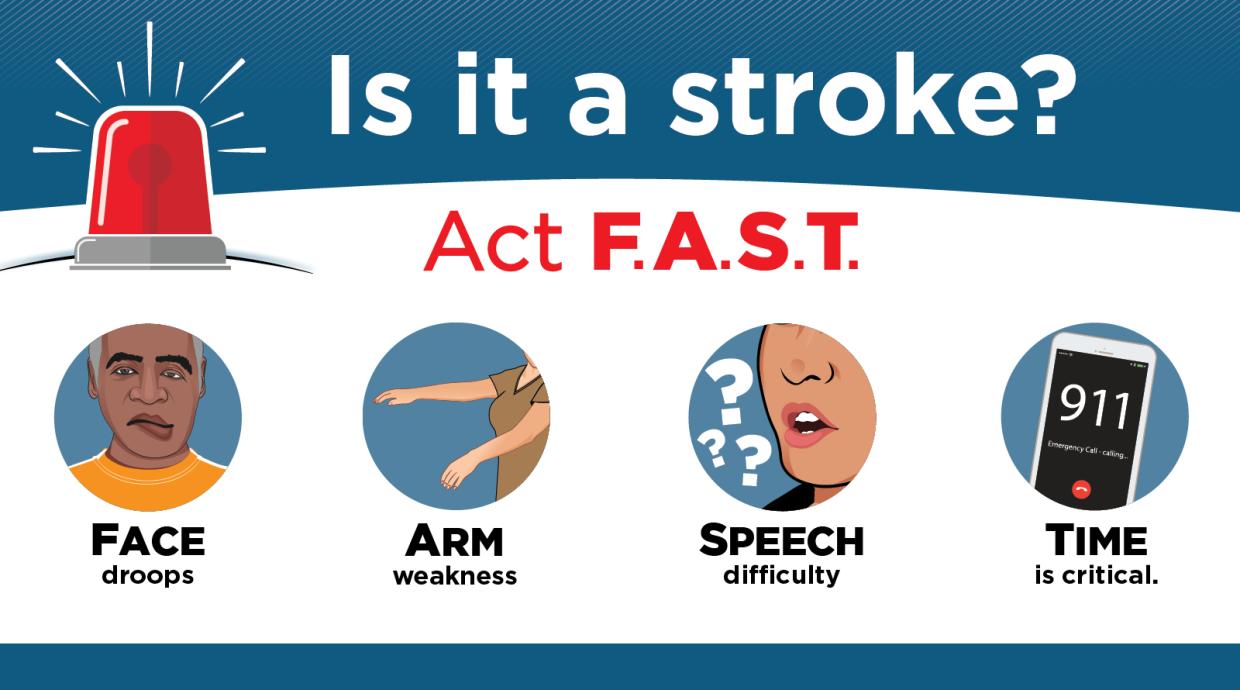
Understanding the Warning Signs of Stroke Using F.A.S.T.
One of the most user-friendly methods of helping people remember stroke alert signs is encapsulated in the F.A.S.T. acronym. Although these might appear like just the simple reminders of face drooping, arm weakness, and slurred speech, they are a lifeline in the tricky parts of stroke response. Each component of F.A.S.T. is designed to get you to act immediately—not later, but right now.
Face Drooping: Noticing the First Telltale Sign
Look at your loved ones, or even yourself in the mirror if you suspect something isn’t right. Face drooping, where one side of the face goes limp or becomes numb unexpectedly, is often the first sign of a stroke. This symptom, while it might seem like a minor twitch, can actually be one of the most dramatic indicators of a serious problem.
A sudden drop on one side of the face is more than just a temporary inconvenience. It’s a sign that the blood flow to a specific area of the brain might be blocked, meaning the risk of permanent brain damage increases with every minute lost. If you see or feel this happening, it’s important to not second-guess yourself.
Arm Weakness and Speech Difficulty: The Next Clues in Stroke Identification
Similarly, when one arm begins to feel unusually weak or experiences numbness, or if the person has trouble speaking and articulating words clearly, these are strong indicators that stroke symptoms are present. It may seem like a confusing bit of information when these symptoms first appear, but they are the key factors that signal the need for immediate medical help.
- Arm weakness: This can show up suddenly, making it hard for the person to lift their arms or perform everyday tasks.
- Speech difficulties: This includes slurred speech or an inability to form coherent sentences, further complicating communication efforts, which might delay help.
The message is clear: if you or someone you know is experiencing these slight differences in normal behavior, you must call emergency services immediately. The table below summarizes the F.A.S.T. signs for ease of reference:
| F.A.S.T. Component | Symptom Description |
|---|---|
| F – Face Drooping | One side of the face droops or feels numb |
| A – Arm Weakness | Difficulty raising one arm due to weakness or numbness |
| S – Speech Difficulty | Slurred speech or problems speaking clearly |
| T – Time to Call 911 | Immediate action is crucial—call 911 |
These guidelines aren’t just for doctors; they’re for all of us. By being able to point out these subtle details, whether in ourselves or in others, we can be the deciding factor between a full recovery and long-term complications.
The Hidden Dangers of Peripheral Artery Disease (PAD) as a Stroke Predictor
While stroke is a headline-grabber when it comes to health emergencies, the less talked about but equally significant condition behind many of these events is Peripheral Artery Disease (PAD). Often seen as a circulation issue involving the legs, PAD is more than meets the eye. It is an essential indicator of broader cardiovascular problems, on edge with issues such as heart attacks and strokes.
PAD: More Than Just Leg Pain
Many individuals notice leg pain or cramping during activities and brush it off as just a normal part of aging or overexertion. However, this discomfort might be a signal that PAD is at play—a condition where fatty deposits build up in the arteries that supply blood to the limbs, most notably the legs. These subtle parts of PAD go unnoticed until they manifest as bigger, overwhelming problems.
For those at risk, such as individuals with high blood pressure, diabetes, or high cholesterol, and especially for smokers, the interconnected nature of PAD and stroke risk is alarming. Studies have shown that people with PAD are two to six times more likely to experience a significant cardiovascular event. This statistic alone is a strong call to action for anyone who might be at risk.
Early Detection and the ABI Test
One simple yet effective way to spot PAD is through the ankle-brachial index (ABI) test. This screening test compares the blood pressure in your ankle with that in your arm. If the readings differ dramatically, it might be a sign that PAD is present, giving physicians an early warning signal.
The early detection of PAD isn’t meant to incite panic; rather, it is a proactive step towards managing your overall cardiovascular health. Detecting PAD early is like catching a small problem before it snowballs into a series of tangled issues that could lead to a stroke or a heart attack.
How PAD Intertwines with Stroke Risk
By understanding the fine points of how PAD acts as a precursor to other cardiovascular interferences, we can better appreciate how these conditions are interlinked. PAD is commonly associated with several key factors that also increase the risk of stroke:
- High blood pressure
- Diabetes
- High cholesterol
- Smoking
Each of these factors contributes to the overall cardiovascular risk profile, making it super important that any signs of PAD are taken as a warning call. Once these signs are present, the chances of facing a heart attack or stroke are significantly higher, underscoring the need for effective early intervention measures.
Stroke Prevention Checklist: Your Guide to a Healthier Heart and Brain
Preventing a stroke isn’t about a single measure; it is about collective actions and lifestyle changes. The checklist below is a practical guide geared toward lowering the risk of a stroke and managing overall cardiovascular health. This list includes everyday steps you can consider, ranging from everyday habits to medical consultations.
- Monitor and manage your blood pressure regularly.
- Keep your cholesterol and blood sugar levels in check with routine check-ups.
- Engage in regular exercise—aim for at least 150 minutes of moderate-intensity activity per week.
- Adopt a heart-healthy diet filled with fruits, vegetables, lean proteins, and whole grains.
- Quit smoking and limit your alcohol intake to reduce vascular strain.
- Effectively manage stress through meditation, yoga, or other relaxation methods.
- Talk with your physician about getting screened for PAD and other cardiovascular issues.
Each bullet point here represents a stride towards managing the overwhelming aspects of cardiovascular health. They are tools to help you find your way through a system that can often feel intimidating and complicated.
Early recognition and management of risk factors are not just personal wins—they can be lifesaving not just for you, but for the community around you. As this checklist shows, a balanced approach can lead to a healthier lifestyle, one small step at a time.
Expert Insight: The Perspective of an Interventional Cardiologist
Dr. Peter Farrugia, an interventional vascular cardiologist at Advanced Heart and Vascular of Central Jersey, has been on the front lines for decades, offering insight into both stroke management and prevention. His approach is more than just prescribing medications; it’s about guiding patients through a transformative journey towards better health.
A Message from the Front Lines
Dr. Farrugia’s message resonates powerfully: “If you want to be helped, I’m here to help you.” He criticizes the practice of simply rubber-stamping the typical lifestyle that leads to ongoing medication dependency. Instead, he emphasizes finding the path to real change through practical, manageable adjustments. Although change might be nerve-racking for many, small steps can lead to significant improvements.
His approach is refreshing in that it addresses the fine details of patient care, ensuring that every minor sign is taken seriously. By moving past the overwhelming nature of chronic diseases, Dr. Farrugia opens his patients’ eyes to the fact that well-informed choices can reduce reliance on medications and even reverse some conditions if caught early.
Building a Collaborative Approach to Health
The modern healthcare landscape is full of small twists of treatment plans that can sometimes confuse patients. Dr. Farrugia’s advocacy for individualized care is a reminder that when dealing with something as serious as stroke risk and PAD, it’s imperative to have a proactive and collaborative relationship with your healthcare provider. He encourages patients to:
- Take responsibility for their health by actively engaging in routine screenings.
- Utilize lifestyle changes that are within reach, such as improved nutrition and increased physical activity.
- Acknowledge that even small steps count and bring them closer to a healthier life.
This method of care highlights the fact that while the journey through healthcare management might be full of confusing bits and complicated pieces, the support of a caring professional can illuminate the path forward.
Exploring the Tricky Parts of Integrating Alternative Medicine and Nutrition
Many people are now considering alternative medicine and enhanced nutrition as part of a comprehensive approach to stroke prevention and heart health. This isn’t a call to abandon conventional medical advice, but rather an invitation to explore all options, including those that address the subtle details of overall well-being.
The Benefits of a Balanced Diet in Stroke Prevention
Our dietary choices have a profound influence on both our heart and brain health. By incorporating heart-healthy foods into your everyday meals, you can effectively manage cholesterol levels and reduce blood pressure—two key markers that can lead to major cardiovascular events if left unmanaged.
Consider adopting a diet that emphasizes:
- Fruits and vegetables: Packed with antioxidants and essential vitamins.
- Lean proteins: Such as fish, poultry, and plant-based proteins to sustain muscle and heart function.
- Whole grains: These provide lasting energy as well as fiber to maintain a healthy digestive system.
- Healthy fats: Focusing on sources like olive oil, avocados, and nuts can reduce inflammation and support vascular health.
This dietary approach not only helps in reducing the risk of stroke but also plays a critical role in managing PAD, diabetes, and obesity—a trio of conditions that can often appear together.
Integrating Alternative Therapies
While modern medicine provides a strong technical foundation for managing cardiovascular health, alternative therapies can act as complementary strategies. Practices such as acupuncture, yoga, and meditation have been known to alleviate stress, one of the key contributors to high blood pressure and vascular issues.
These methods may help you get into a state of calm, allowing the body to heal and repair itself, even amid the nerve-racking challenges of a busy lifestyle. However, it’s important to consult with your healthcare practitioner before integrating these alternative therapies to ensure they complement your overall treatment plan rather than conflict with it.
Making Your Way Through the Healthcare Maze
The healthcare system can sometimes feel overwhelming, with a multitude of guidelines, tests, and treatment plans that can be hard to follow. The challenge is figuring a path through these twists and turns without getting lost in the fine details. Whether it’s understanding a seemingly off-putting diagnosis or deciding on the best medication and lifestyle choices, the process is often loaded with tension and confusing bits.
Strategies to Get Around the Overwhelming Parts
Here are some strategies to help steer through the intricate parts of managing your health:
- Educate Yourself: Spend time reading up on key issues like stroke warning signs and PAD. Reliable sources of information can provide clarity and build confidence in making informed decisions.
- Schedule Regular Check-Ups: Routine examinations and screening tests such as the ABI test for PAD can help detect early signs before they develop into larger problems.
- Keep a Health Journal: Document symptoms, challenges, and successes. This can serve as a conversation starter with your doctor and help track your progress.
- Seek Professional Guidance: Don’t hesitate to ask questions during appointments; having a healthcare provider who is willing to discuss the nitty-gritty of your condition can be invaluable.
- Create a Support System: Engage family and friends or join community support groups. Sharing experiences and advice can be incredibly reassuring when dealing with difficult health issues.
By taking these steps, you can transform what may seem like an overwhelming, intimidating process into a manageable plan of action. Remember, your health journey is unique, and there is no one-size-fits-all solution—just a series of small, consistent actions making your way toward a healthier life.
Community Health: The Ripple Effect of Awareness and Action
Emphasizing the importance of stroke awareness and overall heart health extends beyond the individual—it has significant implications for our entire community. When each person takes responsibility for their health, the community as a whole benefits from reduced emergency cases, improved quality of life, and more effective utilization of healthcare resources.
Building Community-Centered Initiatives
Local clinics and health centers are stepping up efforts by offering comprehensive evaluations and screenings. A community that is proactive in scheduling stroke risk screenings or PAD assessments often experiences a collective lowering of cardiovascular issues.
Consider the following community initiatives designed to foster awareness and support:
- Free Health Screenings: Regularly organized health fairs where qualified professionals conduct blood pressure checks, cholesterol measurements, and ABI tests provide a hands-on opportunity to identify risks early.
- Workshops and Seminars: Educational sessions where experts share practical advice about recognizing stroke symptoms, understanding PAD, and integrating healthy habits can empower community members to take charge of their well-being.
- Support Groups: Facilitated meetings where individuals can share their experiences, exchange tips on managing lifestyle changes, and offer mutual support can help alleviate the anxiety that often accompanies chronic conditions.
These community-centered events not only spread vital information but also create a network of encouragement that can prove life-changing for many. When you join such initiatives, you become part of a larger effort that reinforces the idea that health is a shared responsibility.
The Role of Local Healthcare Providers
It is important to highlight the contributions made by local healthcare providers—those like Dr. Farrugia who reinforce the idea that health care should be personal, proactive, and compassionate. Local expertise, combined with access to state-of-the-art treatment facilities, means that community members no longer have to face these nerve-racking challenges alone.
Providers specialize in working through the fine points of a patient’s medical history, lifestyle, and risk factors to develop a plan that is both comprehensive and realistic. Their efforts ensure that every community member gets the guidance they need to make small, impactful changes.
Taking the Wheel for Individual and Collective Well-being
Embracing a proactive approach toward stroke prevention and cardiovascular health means that every day should be regarded as a day to celebrate improved heart and brain function. The simple act of paying attention to changes, regularly consulting with healthcare professionals, and implementing lifestyle adjustments can cumulatively reduce the risks associated with stroke and PAD.
Practical Tips for a Heart-Healthy Lifestyle
Here are some practical tips to help keep you on track for a heart-healthy lifestyle:
- Establish a Routine: Whether it’s a morning walk or an evening cycle, regular physical activity is non-negotiable for a robust cardiovascular system.
- Plan Your Meals: Prepare balanced meals ahead of time. This minimizes the temptation to fall back on unhealthy choices, reducing the likelihood of high cholesterol and other cardiovascular issues.
- Track Your Health Data: Use technology—apps or devices—to keep track of your blood pressure, cholesterol, and blood sugar levels. Having this data at your fingertips can be a powerful motivator.
- Practice Stress Management: Incorporate techniques like deep breathing, meditation, or even engaging in a hobby that relaxes you. Stress has a direct impact on your blood pressure and heart health.
- Stay Informed: Keep yourself updated with the latest health research. As new findings emerge that clarify even the smallest distinctions between risk factors, you can adjust your lifestyle accordingly.
Each of these tips is meant to be actionable, acknowledging that while the system as a whole might seem intimidating, individual actions are both possible and powerful. Every improvement in lifestyle plays a part in preventing the cascade effect that could lead to a stroke.
The Imperative of Regular Medical Consultation
It cannot be stressed enough how important regular interactions with healthcare providers are. Seeking medical advice isn’t a one-time effort—it’s an ongoing dialogue where each conversation helps you figure a path to better health. Regular check-ups, tailored interventions, and open discussions about treatment options ensure that no small symptom is ignored, and no warning sign goes unchecked.
Don’t wait until the complicated pieces of your health puzzle add up to a crisis. Instead, be proactive, ask about stroke risk screenings, and use the opportunity to discuss any fine shades of change you’re experiencing in your body. Remember, your health is a lifelong journey, and every step you take can have a profound impact.
Conclusion: Empowering Yourself and Others Through Knowledge and Action
The overarching message in stroke awareness and cardiovascular health is clear: knowledge is power. By understanding the symptoms of stroke using simple methods like F.A.S.T., recognizing the early signs of PAD with straightforward tests, and integrating lifestyle changes into your daily routine, you not only protect yourself but also inspire those around you to make healthier choices.
In the end, it’s all about taking the wheel and steering through a maze that might initially seem overwhelming yet becomes manageable with the right support and information. Whether it’s adopting a heart-healthy diet, engaging in regular exercise, or simply being alert to the subtle details of what your body is telling you, every decision counts. Our collective well-being depends on an informed, proactive community where each individual contributes to a healthier, safer society.
In our modern, fast-paced world, where the nerve-racking challenges of everyday life meet complex healthcare decisions, it is super important that we keep our minds open to learning and adapting. Dr. Farrugia’s invitation to drop the dependency on standard practices in favor of personalized care stands as a powerful example of what modern medicine can and should be: compassionate, comprehensive, and most importantly, centered on you.
Let today be a reminder that every moment offers a chance to learn more, adjust routines, and ultimately, save a life—possibly your own or that of someone dear. When we work through these tangled issues together, the seemingly overwhelming landscape of cardiovascular health transforms into a mosaic of achievable, rewarding steps.
Moreover, community initiatives and local healthcare providers are more than willing to support you in this journey. Whether you’re taking your first step by attending a local health fair or scheduling a consultation at a nearby clinic, every small act contributes to a larger wave of positive change.
It’s time to truly recognize that maintaining stroke awareness is not an isolated mission but a continuous community effort. By integrating practical prevention checklists, staying informed through reliable sources, and leaning into expert guidance, each of us can contribute to a future with fewer strokes and better quality of life.
Let’s celebrate National Stroke Awareness Month by not just learning about these critical topics, but by actively implementing change. Make every day a heart healthy day—a day when you choose to care for your body, listen to its signals, and share that knowledge with those around you. Our health, after all, is the cornerstone of every vibrant community, and together, we can build a society where every heartbeat counts.
In closing, my call to action is simple: Educate yourself, act on these essential steps, and engage with your local healthcare providers. The sum of these small actions can prevent a future riddled with problems and unexpected health emergencies. Let’s stand united, informed, and ready to tackle every twist and turn that comes our way, ensuring that no one is left to face the challenges of stroke and cardiovascular issues alone.
Thank you for taking the time to read and reflect on these important issues. May your journey to a healthier life be filled with informed decisions, proactive steps, and continuous support from both experts and your community alike.
Read more about this topic at
The CSF 1.1 Five Functions | NIST
Identify, Protect, Detect, Respond and Recover: The NIST …