RITZ Recall: A Closer Look at New Jersey’s Food Safety and Consumer Awareness Challenges
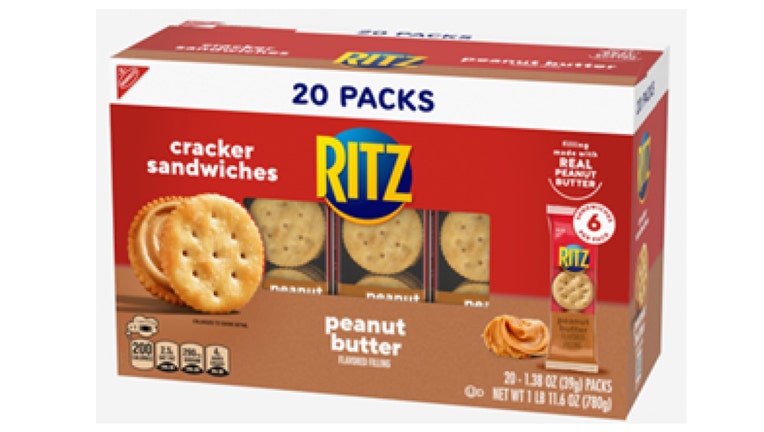
The recent RITZ Peanut Butter Cracker Sandwich recall in New Jersey has sparked conversations about food safety, transparency, and the challenges in modern consumer trust. The situation, which involves individually wrapped packages possibly mislabelled as cheese sandwiches, is particularly concerning for families and individuals with peanut allergies. In this editorial, we take a closer look at the confusing bits of the recall, discuss the importance of accurate food labeling, and examine the broader context of consumer transparency in today’s market. We also shine a light on some local hidden gems and exciting trends, such as the rise of electric vehicles in New Jersey.
While the recall may seem like just another headline, its implications are far-reaching. With precise geolocation data and device characteristics now often used for targeted advertising and content, many consumers wonder if the responsibilities of companies have shifted from ensuring product safety to focusing on sophisticated digital strategies. However, at the heart of this matter remains the need to protect the health of our community, ensuring that families can trust the food they consume.
Understanding the Confusing Bits of Food Labeling
The current RITZ recall illustrates the tricky parts of food labeling and the potential hazards that can arise when errors occur. Consumers have been warned about the possibility that packs labelled as cheese sandwiches might actually contain peanut butter. For those with peanut allergies, this mislabeling is not just an inconvenience but a potentially life-threatening issue. The recall affects boxes with UPC 44000 07584 2, and the best-by dates range from January 8, 2026, through January 15, 2026. With such a wide distribution across states, including New Jersey and seven other states, the issue requires a coordinated effort among regulatory bodies and manufacturers to address the tangled issues inherent in food packaging errors.
Many in the community find the twists and turns of modern food labeling regulations overwhelming. Currently, key concerns include:
- Inconsistent packaging that leads to misinterpretation by consumers;
- The nerve-racking challenge of tracing products across multiple states;
- Potential complications for individuals with severe allergies;
- The role of third-party partners involved in data management and product tracking.
It is essential that manufacturers bolster their quality control processes. A streamlined labeling process not only benefits consumer safety but also helps avoid the intimidating repercussions of a widespread recall. Companies must commit to addressing the little details that can make a significant difference in public perception and safety.
Digging Into the Hidden Complexities of Consumer Trust and Transparency
Consumer trust is built on a foundation of honesty, clear communication, and accountability. While the recall process might seem like a series of formal steps, the hidden complexities of consumer trust lie in the nuanced execution of these processes. Consumers need reassurance that every precaution is taken to ensure product safety. When mistakes occur, it is equally critical for companies to have effective communication strategies that help families figure a path to safety.
Some key aspects that play a role in maintaining consumer trust include:
- Clear and timely communication about potential hazards.
- Offering guidance on what to do if a product is suspected to be affected.
- Providing easily accessible contact points for consumers, such as the hotline provided in the recall notice.
- Emphasizing transparency in choosing to recall products, rather than waiting for regulatory enforcement.
Many consumers now expect to have access to detailed instructions and open channels of communication. Even in this digital age where companies frequently use advanced tracking and advertising techniques, a personal touch goes a long way. Whether it’s through direct calls to a dedicated hotline or clear updates on a website, this commitment is super important for reassuring wary customers in an ever-more digitized world.
Finding Your Way Through the Messy World of Digital Data and Consumer Preferences
In addition to product recalls, another major area of concern for modern consumers involves how data is managed. With advertising and content measurement playing a crucial role in how companies operate, there is often a trade-off between convenience and privacy. Many platforms and websites use cookies to steer through the digital maze—storing and accessing data on your device to personalize your experience. This practice, while common, is not without its tangled issues.
Digital data practices such as those managed by 39 IAB TCF partners include:
- Collecting precise geolocation data.
- Actively scanning device characteristics for identification.
- Personalizing ads and content to better match consumer interests.
Although such processes are built on a foundation of legitimate interest or explicit consent, they also raise questions about how much personal data is truly needed and how it’s being used. As consumers, we are often left to change our settings manually or accept default settings that might not best protect our information. Companies must find a balance, ensuring that sophisticated data collection strategies do not overshadow the well-being and privacy of their customers.
Addressing the Intimidating Labyrinth of Modern Advertising Strategies
The advertising landscape today is packed with nerve-racking twists and turns. Companies constantly seek to use precise data to deliver personalized content that they hope will resonate with individual users. However, the shifting tide from providing essential information to prioritizing personalized ads has left some consumers feeling that their interests might be secondary to the commercial aims of large companies. This misalignment can lead to a disconnect between public interest and corporate profit motives.
Several factors contribute to this disconnect:
- The heavy reliance on third-party partners to manage data, which can sometimes complicate accountability.
- Potential inconsistencies between what is advertised and what is ultimately delivered.
- The risk of confusion, especially when ads target sensitive areas such as food safety and health concerns.
- A growing call among consumers for more transparency and ethical data practices.
For companies to regain trust, they need to work through the tangled issues of digital advertising while still providing meaningful, personalized interactions for their users. Consumers should feel confident that shifting settings or withdrawing preferences won’t leave them with a less informed experience.
Exploring the Local Hidden Gem: The Chocolate Bar in Little Silver, NJ
While concerns about food recalls and digital privacy are certainly on the minds of many, it’s also important to highlight lighter, more uplifting stories emerging from the community. One such story is about The Chocolate Bar in Little Silver, NJ—a delightful local spot that many consider a true hidden secret. This cozy establishment has managed to captivate locals with its charming atmosphere and delightful treats.
The Chocolate Bar offers a menu full of sweet surprises and rich, quality chocolate creations. Local patrons frequently praise the shop not only for its delicious confections but also for its welcoming ambience, making it an ideal destination for family outings or casual meetups with friends. In a landscape where big chains often dominate, a small-town business that takes the time to care for every little twist and detail of its service stands out in the best way possible.
Some highlights of The Chocolate Bar include:
- A wide array of artisanal chocolates that change with the seasons.
- Personalized customer service that makes everyone feel special.
- A commitment to sourcing high-quality ingredients locally whenever possible.
- An inviting decor that merges modern simplicity with a touch of nostalgic charm.
The popularity of The Chocolate Bar is a reminder that amidst the intimidating maze of corporate and digital strategies, there are still businesses that prioritize genuine customer care. It’s a testament to the enduring appeal of local flavor and a well-rounded community spirit where quality and trust remain super important.
Examining New Jersey’s EV Boom: Trends and Local Impact
Another topic generating widespread discussion is the surge in electric vehicle (EV) ownership across New Jersey. The landscape of personal transportation is rapidly evolving, and many municipalities have seen a noticeable increase in EV adoption over the past few years. From Edison to Princeton, New Jersey is riding an electric wave, with sharp increases in EV registrations noted in several communities.
This trend is driven by both environmental concerns and the appeal of modern, clean technologies. As local governments continue to promote sustainable transportation, consumers are finding that the benefits of using electric cars extend well beyond just reducing their carbon footprint. There is a notable sense of community pride in contributing to a greener future while also enjoying cost savings on fuel and maintenance.
Below is a table highlighting some of the top New Jersey towns with the most EV registrations as of mid-2025:
| Rank | Town/City | Observations |
|---|---|---|
| 1 | Edison | Leading in early adoption and supportive policies |
| 2 | Jersey City | High density and growing green initiatives |
| 3 | South Brunswick | Strong community interest in sustainable transport |
| 4 | Monroe | Suburban growth paired with eco-friendly choices |
| 5 | Lakewood | Rising awareness about environmental benefits |
| 6 | Livingston | Creative community initiatives boosting EV interest |
| 7 | Marlboro | Local government support for inter-city EV charging stations |
| 8 | Woodbridge | Considerable investments in clean energy |
| 9 | Cherry Hill | Urban developments merging with technology trends |
| 10 | Franklin Township | Community-led drive for sustainability |
This collection of data illustrates that despite the intimidating technical bits of EV technology, communities are eager to figure a path toward a cleaner and more sustainable future. As more local government bodies create incentives for sustainable practices, New Jersey is poised to become a frontrunner in the electric vehicle revolution—a change that promises long-term benefits for both the economy and the environment.
Sorting Out the Benefits of Sustainable Choices in a Digital Age
When we look at the broader picture of consumer trends, it becomes clear that balancing traditional values—like quality and trust—with modern digital strategies is a tricky mix. On one hand, food recalls such as the RITZ issue remind us of the nerve-racking challenges associated with product mislabeling and consumer safety. On the other hand, the surge in digital advertising and EV adoption points to a future where technology and sustainability must harmonize.
Here are some of the key factors consumers should consider as they make choices in this digital age:
- Awareness: Stay informed about product recalls and latest updates from reliable sources.
- Privacy: Understand your digital data rights and manage your cookie preferences effectively.
- Local Impact: Support businesses that show a commitment to community well-being, such as local restaurants and sustainable enterprises.
- Sustainability: Consider the long-term benefits of choices that contribute to a lower environmental footprint, like opting for an EV.
- Transparency: Demand openness from businesses regarding both product quality and digital advertising practices.
Balancing commercial interests with community values is not a simple task. With the overwhelming amount of data available and the ever-changing digital landscape, it is sometimes nerve-racking to keep track of every little twist. Nonetheless, conscientious consumers can and should take a closer look at these issues, ensuring that every decision is based on a mixture of informed judgment and personal values.
Managing Your Way Through Mixed Messages in the Media Landscape
The media today is both a blessing and a challenge when it comes to delivering news that is untainted by commercial agendas. Outlets like New Jersey 101.5 provide a diverse mix of local news, product recalls, and lifestyle features—the recall of RITZ Peanut Butter Cracker Sandwiches being just one example. These platforms aim to educate the community while simultaneously offering entertainment and lifestyle tips. However, the tricky parts of the media landscape often involve sorting out what stories are pressed by commercial pressures versus those that truly represent the community’s best interests.
Consumers face several challenges with media messages:
- Deciphering between sensational headlines and factual reports.
- Distinguishing between sponsored content and unbiased reporting.
- Figuring a path through mixed advertising messages and genuine news.
- Managing personal data in an age where digital footprints are tracked for advertising.
For media platforms to maintain integrity and consumer trust, it is essential that they consistently work through the tangled issues of commercial influence while staying true to their commitment to public service. Only by doing so can audiences feel that the news they receive is both comprehensive and transparent.
Taking a Closer Look at the Interplay Between Food Safety, Technology, and Community Well-Being
The RITZ recall and the extensive use of digital data both underscore a point: the world we live in is a complex interplay between traditional values and modern technology. Food safety concerns remind us of how crucial it is to pay attention to the little details in everyday products. At the same time, the use of digital tracking and personalized advertising raises questions about how much personal data is worth in exchange for convenience.
To better understand this interplay, consider these overlapping areas:
- Consumer Health: Food recalls directly affect the health and well-being of families and require immediate action and awareness.
- Digital Trust: The evolving practice of data collection calls for enhanced consumer education and clear consent protocols.
- Local Economy: Small businesses such as The Chocolate Bar in Little Silver represent community resilience and the importance of local flavor.
- Sustainability: The growing popularity of electric vehicles serves as a metaphor for the shift toward choices that benefit both the individual and society at large.
This multi-layered perspective may seem full of problems, yet it is also filled with opportunities for improvement. Companies, regulators, and consumers must work together to ensure that while technological progress continues, the essential focus on health, safety, and community well-being remains paramount.
The Role of Regulation and Community Initiatives in Ensuring Safety and Trust
Regulation plays a key role in protecting consumers from the nerve-racking twists and turns associated with both product recalls and digital data usage. Agencies such as the U.S. Food and Drug Administration are tasked with acting swiftly when errors in labeling or manufacturing arise. Likewise, local government policies that champion privacy rights work to safeguard personal data from misuse.
Community initiatives have also emerged as a response to these challenges. Local news outlets, public forums, and community centers often serve as hubs for information, ensuring that everyone has access to the latest updates on product safety and digital best practices. The combination of regulatory oversight and community engagement is one of the most effective methods to figure a path through the complicated pieces of today’s information age.
Key steps in this initiative include:
- Establishing reliable communication channels that allow consumers to quickly report concerns.
- Promoting public awareness campaigns about food safety and data privacy.
- Encouraging businesses to adopt best practices that prioritize customer well-being over aggressive marketing techniques.
- Working collaboratively with regulators to ensure that proper checks and balances are in place.
Through these combined efforts, New Jersey continues to set a strong example for how communities can work through the tangled issues of safety and transparency to create a safer, more informed public sphere.
The Future Outlook: Embracing Innovation While Respecting Traditional Values
The competing demands of modern innovation and traditional values are not easy to reconcile, but they can coexist harmoniously when every stakeholder embraces their role. As innovative technologies like digital advertising and electric vehicles become more prevalent, it remains crucial to champion the traditional values such as community trust, genuine quality, and personal well-being.
Looking ahead, several emerging trends promise to redefine how we approach these challenges:
- Enhanced Food Safety Protocols: New technologies may soon allow manufacturers to detect labeling errors before products hit the shelves, drastically reducing risks.
- More Transparent Digital Practices: The push for better privacy protections could lead companies to develop more user-friendly settings that help manage digital footprints effortlessly.
- Focused Community Engagement: Local businesses and community forums will likely play a bigger role in moderating the rapid changes brought on by technology.
- Increased Emphasis on Sustainability: As the uptake of electric vehicles grows, further innovations in renewable energy and eco-friendly policies will support a cleaner future for all.
Consumers are encouraged to stay engaged and informed, whether it means checking for updates about product recalls or exploring new green technologies. By finding your way through daily news and emerging digital trends, you help build a more resilient economy that balances progress with the well-being of families and communities.
Concluding Thoughts: Balancing Progress and Protection in a Rapidly Changing World
In conclusion, the RITZ recall, coupled with the growing influence of digital data and the exciting rise of electric vehicles, paints a picture of both challenge and opportunity. The issues presented—from mislabeling that poses direct health concerns to the overwhelming, sometimes off-putting, digital structures designed to enhance marketing—demand that we take a closer look and address the hidden complexities head-on.
It is clear that the onus is on both corporations and regulators to work through the tangled issues brought about by rapid technological advancement. Consumers, meanwhile, are increasingly empowered to keep themselves safe and informed by demanding transparency and accountability. Local initiatives, as demonstrated by community treasures like The Chocolate Bar in Little Silver, exemplify the powerful blend of innovation and tradition that can coexist and benefit everyone.
As we move forward, managing your way through these nerve-racking challenges will require all stakeholders to collaborate, balancing modern technology with tried-and-true community values. Whether you are a cautious parent keeping an eye on food recalls or a tech-savvy consumer managing your digital preferences, every step taken to improve transparency and safety is a step toward a healthier and more secure future.
Ultimately, progress does not have to come at the cost of protection. With steady work from regulators, proactive measures by manufacturers, and the support of informed consumers, New Jersey is setting an example for how to figure a path through the overwhelming bits of modern life—one that respects both innovation and the small, yet super important, details that keep our communities safe and thriving.
Originally Post From https://nj1015.com/ritz-cracker-recall-nj-peanut-butter/
Read more about this topic at
Unreported Allergens
Food Labeling Issues